WandererCover V4-EC Motorised Flat Panel: Automation To A Crucial Part of Astrophotography
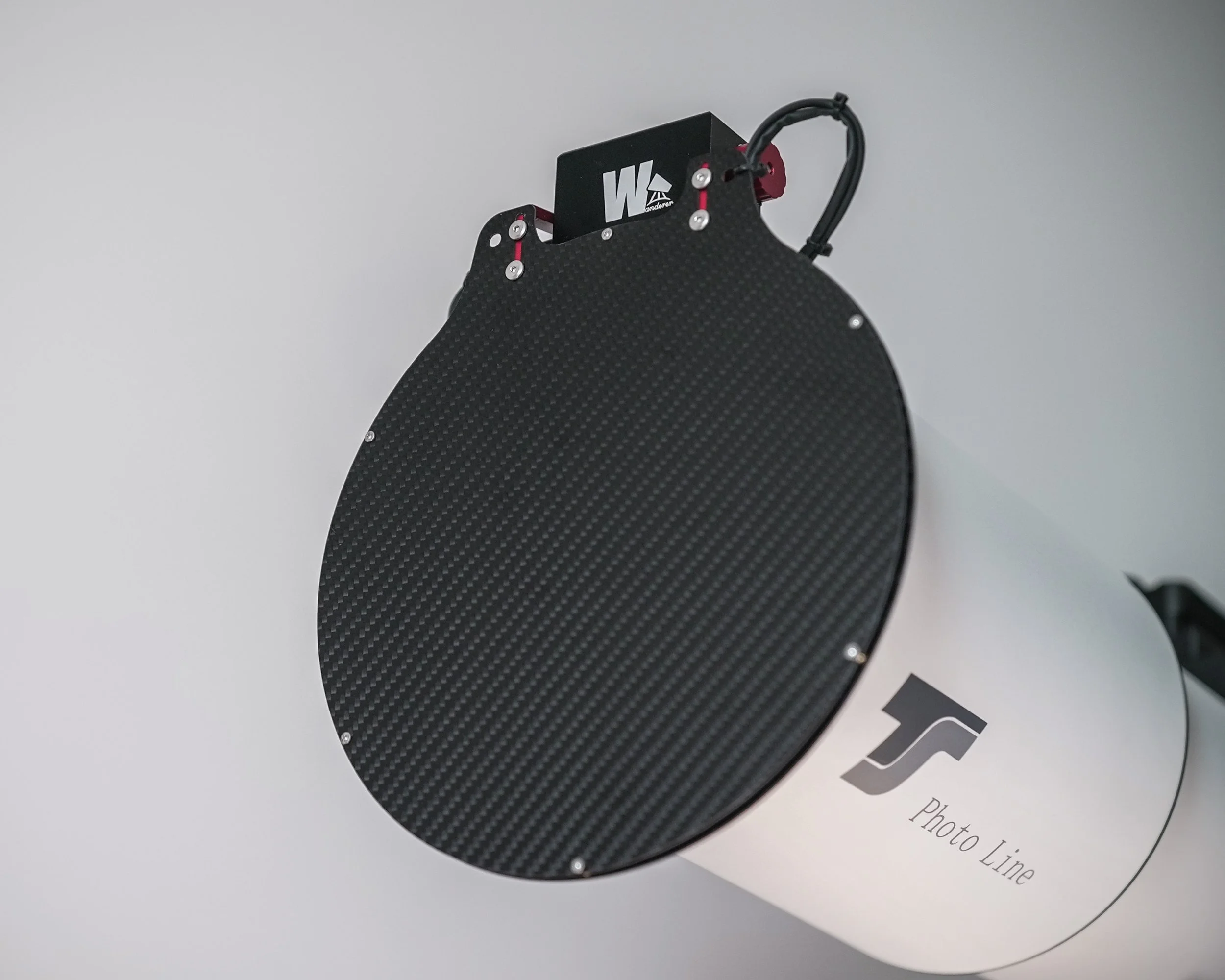
WandererCover V4-EC boasts a flicker-free and bright panel.
As part of our ongoing series of astrophotography gear reviews focused on automation (something increasingly sought after by advanced astrophotographers) we have been testing the WandererCover V4-EC, a motorised dust cover and electronic flat panel designed to simplify and standardise the capture of calibration frames.
For this review, we tested the 190mm version on a TS-Optics 130APO Refractor Telescope. The flat panel is ASCOM compatible and can be controlled in several ways: via the dedicated WandererEmpire app or directly through popular imaging software such as NINA as well as ZWO ASIAIR, and ToupTek StellaVita (firmware update required).
The goal is simple: automate one of the most repetitive yet essential steps in astrophotography.
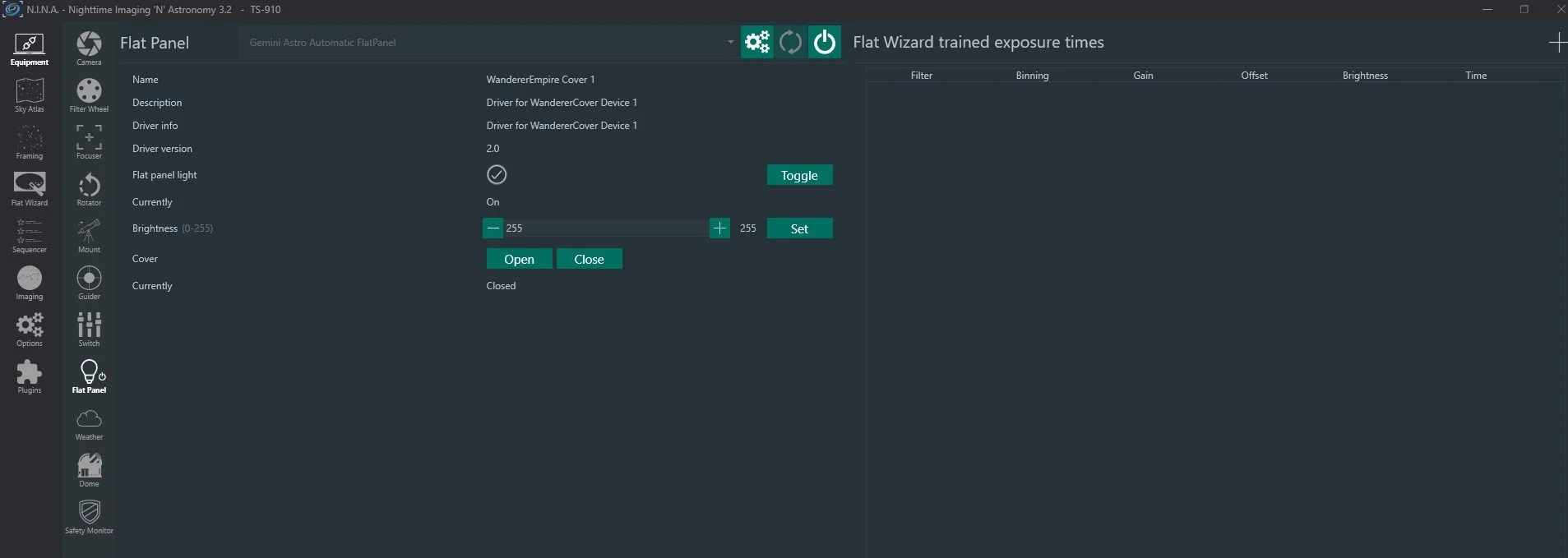
Thanks to its ASCOM compatibility, WandererCover V4-EC Motorised Flat Panel can be fully controlled via NINA.
What Are Flat Frames And Why Do They Matter?
A flat frame is one of the three core calibration frames used in astrophotography, alongside dark frames and bias frames.
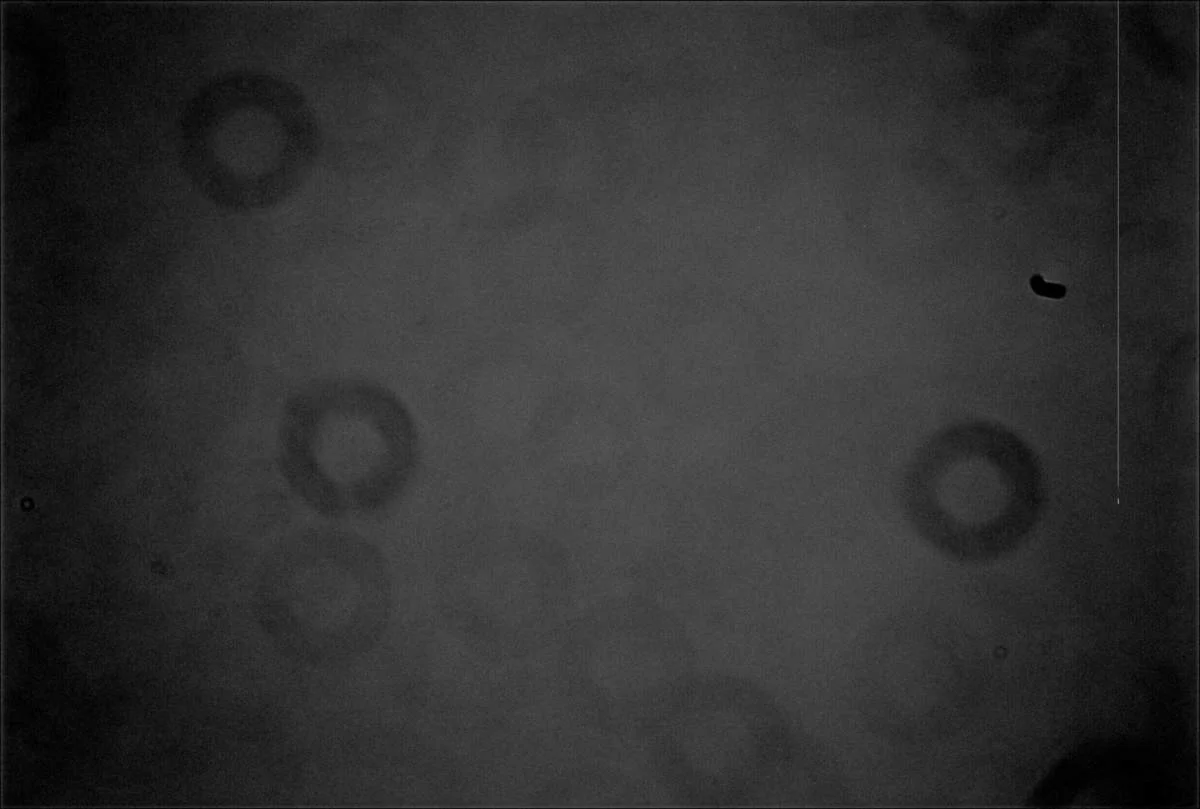
Flat frames help to remove dust shadows on the camera sensor, telescope lens/mirrors or filters.
While darks and bias frames correct sensor noise and electronic readout artefacts, flat frames correct optical imperfections within your imaging train, including:
Vignetting
Uneven field illumination
Dust shadows on filters or sensors
Light fall-off caused by reducers/flatteners
Without flat frames, these imperfections become increasingly visible when stretching stacked images. Dust motes appear as stubborn donut-shaped rings, vignetting becomes exaggerated, and background gradients become harder to control during post-processing.
Flat frames allow stacking software to normalise illumination across the image so that every pixel represents true astronomical signal rather than optical flaws.
“Flat frames are essential if you want clean backgrounds, consistent colour, and images that respond well to processing.”
What makes a good flat frame?
A good flat frame is defined by uniformity, consistency, and correct exposure. The light source must evenly illuminate the entire field of view without introducing gradients or hotspots. Any unevenness in the flat itself will be transferred into the calibrated image, doing more harm than good. This is why purpose-built electronic flat panels have become increasingly popular: they provide stable, repeatable illumination at a known colour temperature.
Exposure is equally critical. A flat frame should sit comfortably within the linear response range of your camera sensor, typically with the histogram peak around 30–50% (or roughly halfway) without clipping highlights or shadows.
Overexposed flats lose information, while underexposed flats fail to properly neutralise vignetting and dust shadows. Just as importantly, flats must be captured without changing focus, camera rotation, or the optical configuration used for your light frames. Even small changes can invalidate them.
Ultimately, good flat frames are boring and that’s exactly the point. When done correctly, they disappear entirely from the final image, leaving behind smoother backgrounds, better colour balance, and data that is far easier to process.
“For serious astrophotographers, consistent flat calibration isn’t optional; it’s foundational.”
Calibration frames and how to take them:
-
Dark frames are used to remove thermal noise, hot pixels, and amp glow introduced by the camera sensor during long exposures. They are captured with the same exposure time, temperature, gain/ISO, and camera settings as your light frames, but with no light reaching the sensor. By subtracting dark frames during calibration, you eliminate sensor-specific noise patterns, resulting in cleaner data and smoother backgrounds.
-
Dark frames are used to remove thermal noise, hot pixels, and amp glow introduced by the camera sensor during long exposures. They are captured with the same exposure time, temperature, gain/ISO, and camera settings as your light frames, but with no light reaching the sensor. By subtracting dark frames during calibration, you eliminate sensor-specific noise patterns, resulting in cleaner data and smoother backgrounds.
-
Flat frames correct for optical issues in the imaging system rather than sensor noise. They remove vignetting, uneven field illumination, and dust shadows caused by particles on the sensor, filters, or optics. Flats are taken using a uniform light source without changing focus or the optical setup used for the light frames. Proper flat calibration ensures consistent illumination across the image and prevents these artefacts from becoming exaggerated during processing.
WandererCover V4-EC Specs
The WandererCover V4-EC motorised flat panel is available in a range of diameters, and it’s advisable to choose a model that is slightly larger than your telescope’s dew shield. This ensures even illumination across the entire aperture and avoids edge fall-off when capturing flat frames. It combines three essential functions into a single automated device:
Motorised dust cover
Electronic flat panel
Integrated dew heater
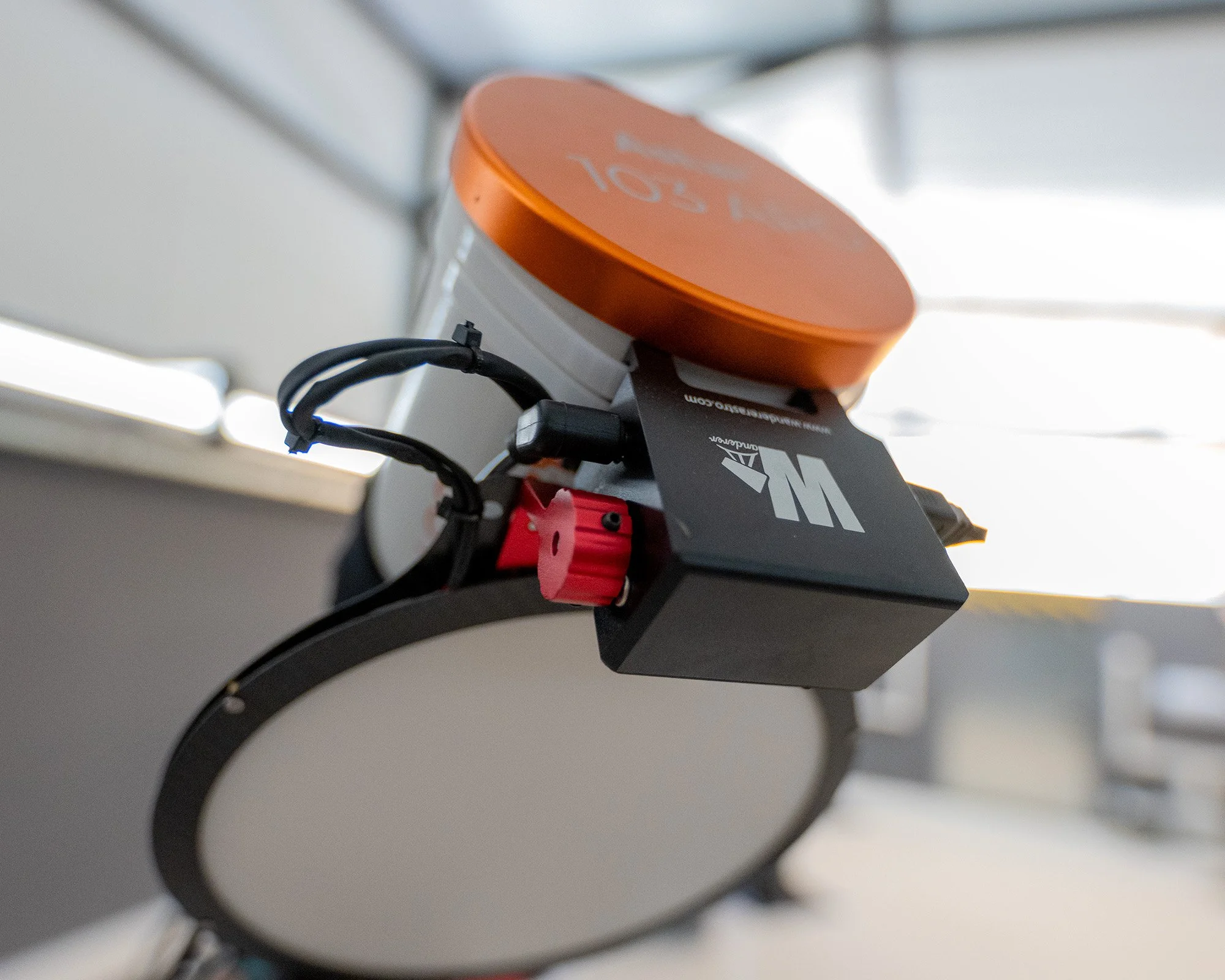
WandererCover V4-EC at PixelSkiesAstro
Power is supplied via an included USB cable as well as a 12V DC connector. In our testing, the flat panel could not function without the 12V connection. The USB cable alone providing 5V power to operate the motor will not provide enough power.
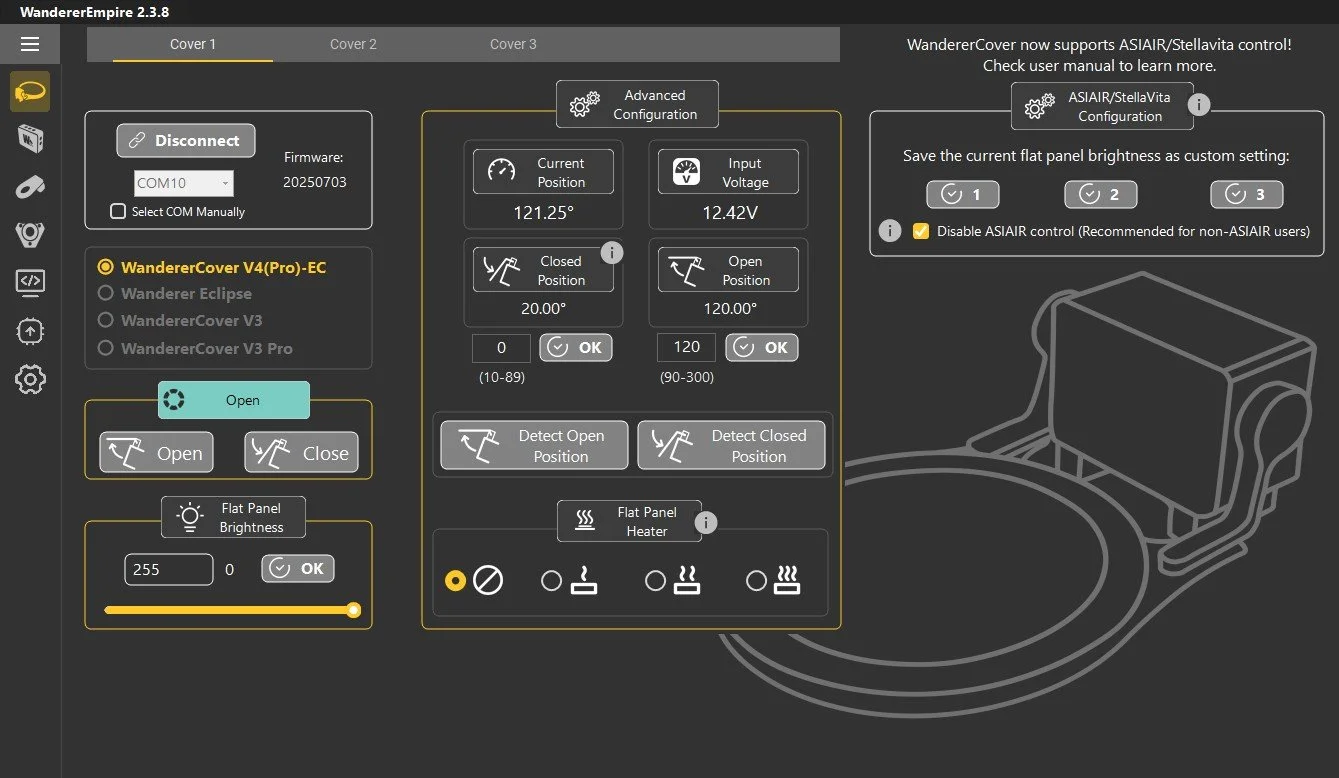
WandererEmpire dedicated app allows you to precisely determine by how much the panel opens and closes. It lets you to control its built-in dew heater.
Brightness control is handled through 255 adjustable steps, allowing for very fine control over panel’s brighness. This makes it easy to dial in the correct exposure regardless of your optical train, camera sensitivity, or filter choice, and helps ensure consistently well-exposed flat frames across different imaging sessions. Paired with the Flat Wizard in NINA, taking flat frames becomes a breeze.
The brightness of the WandererCover V4-EC is astonishing, especially if you are using 3nm narrowband filters. In our testing with NINA’s Flat Wizard, an exposure of approximately 1 second was enough to provide enough illumination for a flat frame, using a 3nm narrowband filter.
Our Favourite Highlights:
Carbon fiber frame for the panel and aluminium motor enclosure.Impressively precise open/close positioning with ±0.25 degrees accuracy.Built-in heating elements to prevent dew build-up.ASCOM, ASIAIR and StellaVita compatible.Impressively bright and flicker-free with 255 steps of dimming.
WandererCover V4-EC motorised flat panel operates quietly and smoothly.
Buying Guide:
When buying a motorised flat panel, there are a few things to consider before making your purchase:
Choose the right diameter. You need to measure the outer diameter of your telescope's dew shield and pick a flat panel size equal or greater. This tool might help you to decide which diameter is best suited for you.
Only buy WandererAstro products via your trusted local retailer or directly from the manufacturer.
After purchase, make sure to update the firmware using the WandererEmpire app.
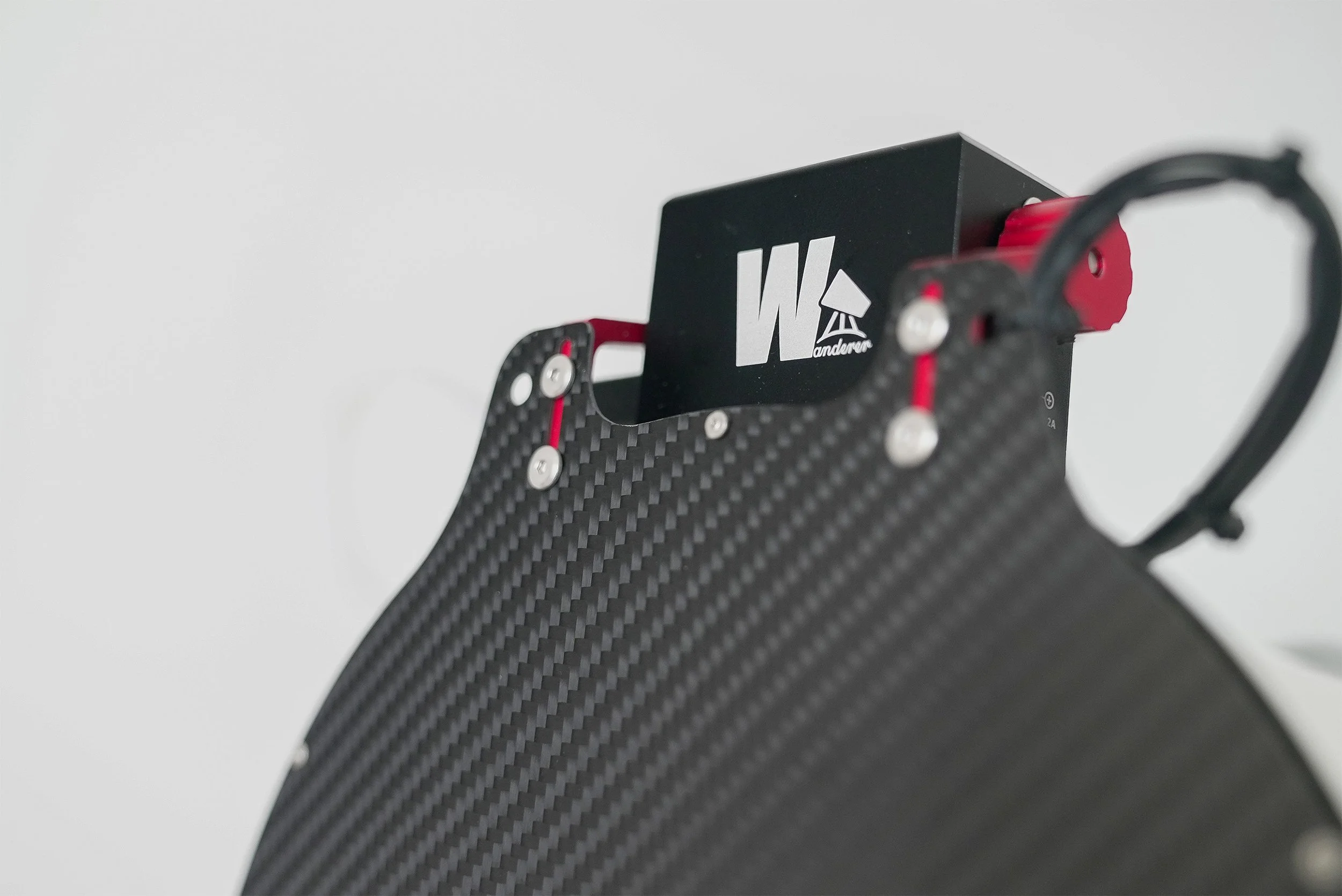
Built-in micro-encoder provides real-time, accurate feedback on cover position, allowing users to remotely check the angle status without opening the monitoring camera.
WandererCover Model Comparison
| Feature | V4-EC | V4 Pro-EC | V4-EC IR |
|---|---|---|---|
| Panel Size Range | 80mm – 240mm | 280mm – 380mm | 80mm – 240mm |
| Motor Box Type | Standard Motorbox | Pro Motorbox (larger systems) | Standard Motorbox |
| Designed For | Small & Medium Telescopes | Large Aperture Telescopes | Small & Medium Telescopes |
| Motorised Flat Panel | Yes | Yes | Yes |
| ASIAIR/StellaVita Controllable | Yes | Yes | Yes |
| ASCOM / INDI / NINA Compatibility | Yes | Yes | Yes |
| IR Remote Control | No | No | Yes |
| Main Difference | Compact sizes | Larger motor system | IR control added |
V4-EC models cover smaller diameters (80–240mm). V4 Pro-EC models use a larger motorbox designed for bigger telescope apertures (280–380mm). The V4-EC IR is a variant of the V4-EC that adds infrared remote-control capability.
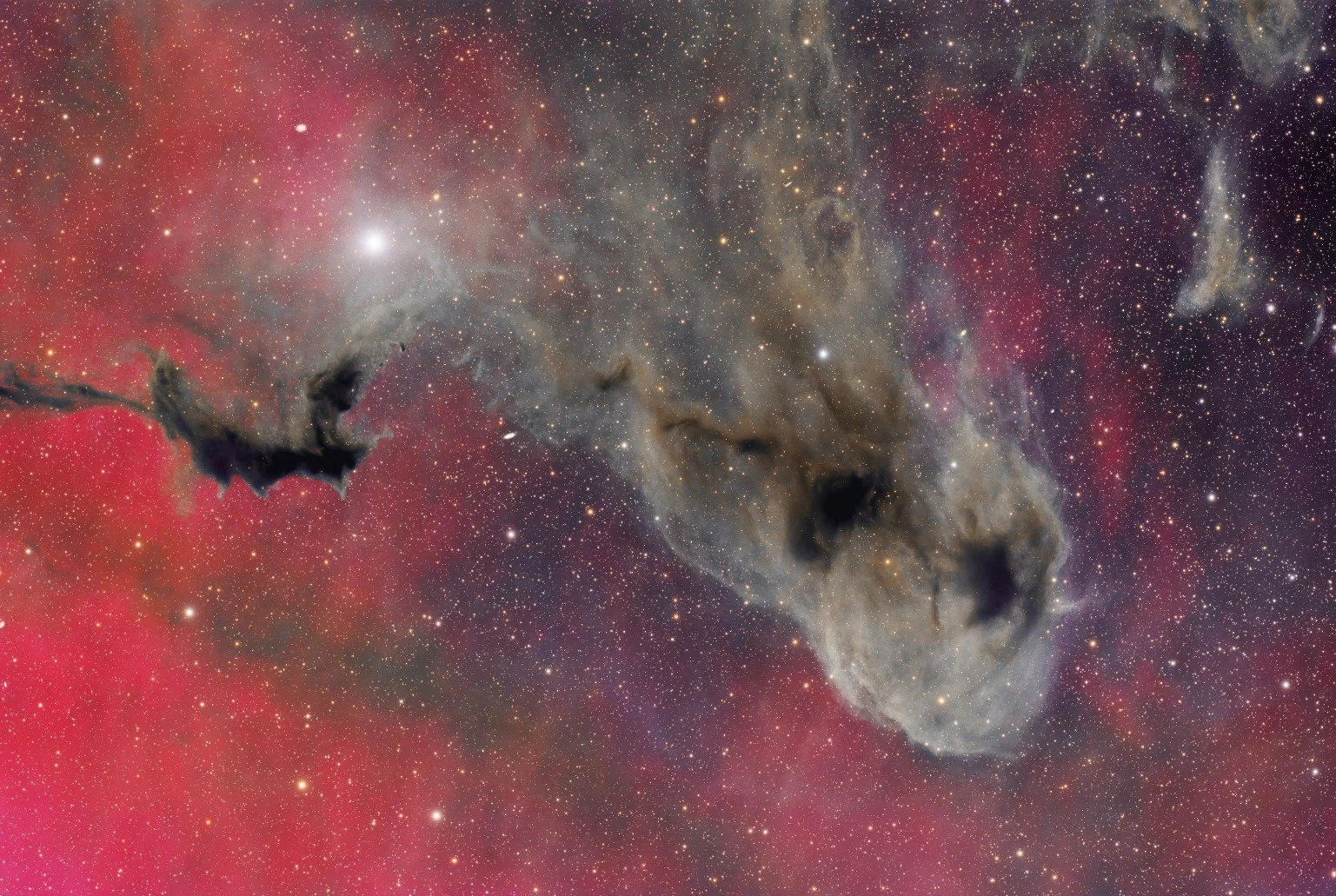
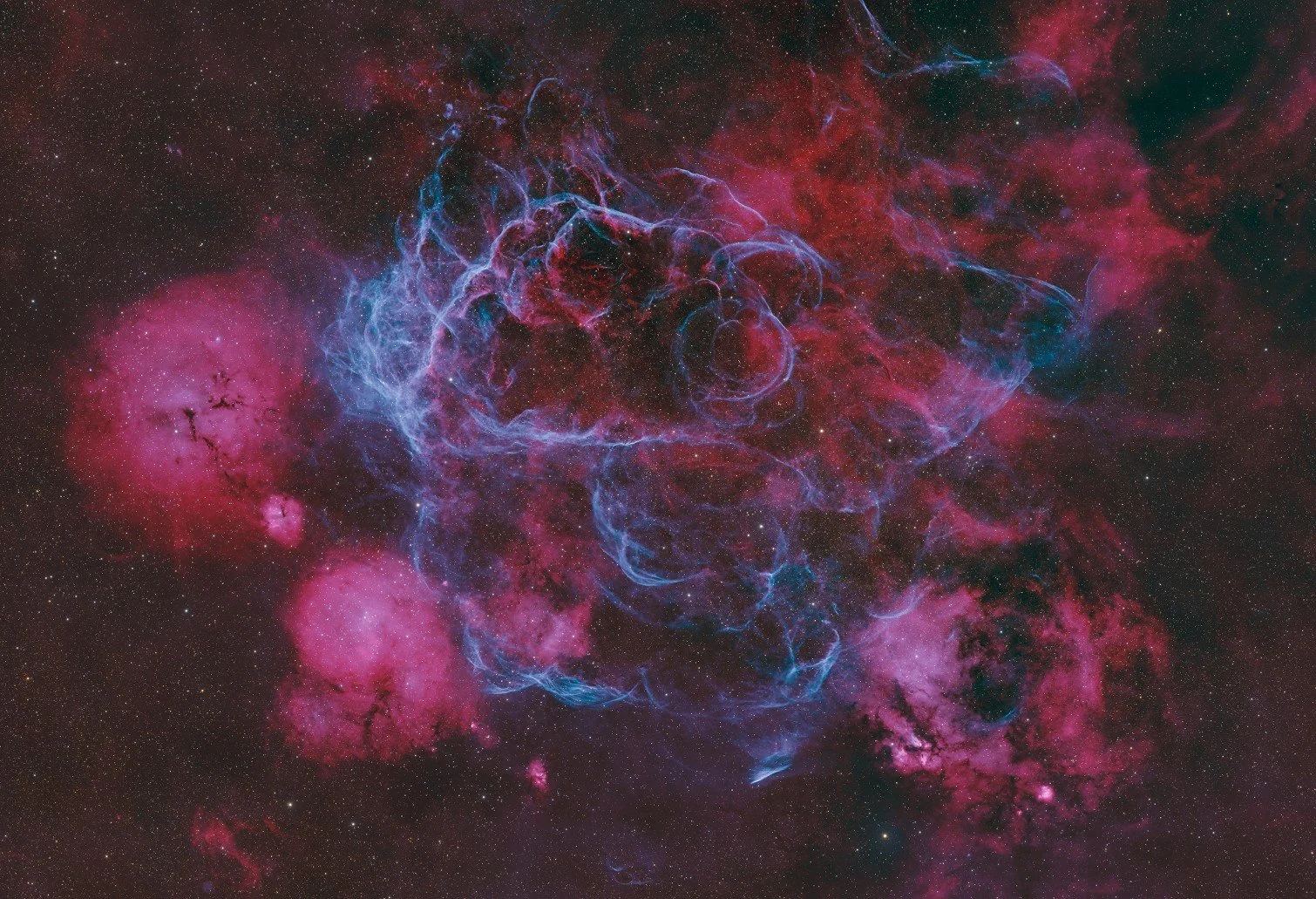
LDN 260 by Mike Hamende using WandererCover V4-EC to capture flat frames.
Things we loved about this Motorised Flat Panel
Great build quality: The carbon fibre frame and the overall finish is made to last.
Fully adjustable and bright panel, perfect for narrowband filters.
The panel is flicker-free and is illuminated evenly.
Compatible with ZWO ASIAIR Plus, and ToupTek StellaVita.
Dew Heater capability to keep the cover dry all night.
Things that could be improved
It is pricey.
It relies on 12V DC. The USB cable is not able to power the light and the motor. That is however understandable given the fact that the WandererCover V4-EC has also heating elements that prevent dew build-up.
And a nitpicks: The included cable ties may not be strong enough to support the WandererCover during Open/Close operation. They’re also not reusable. Consider using two cable ties or swap them for more robust and reusable options.
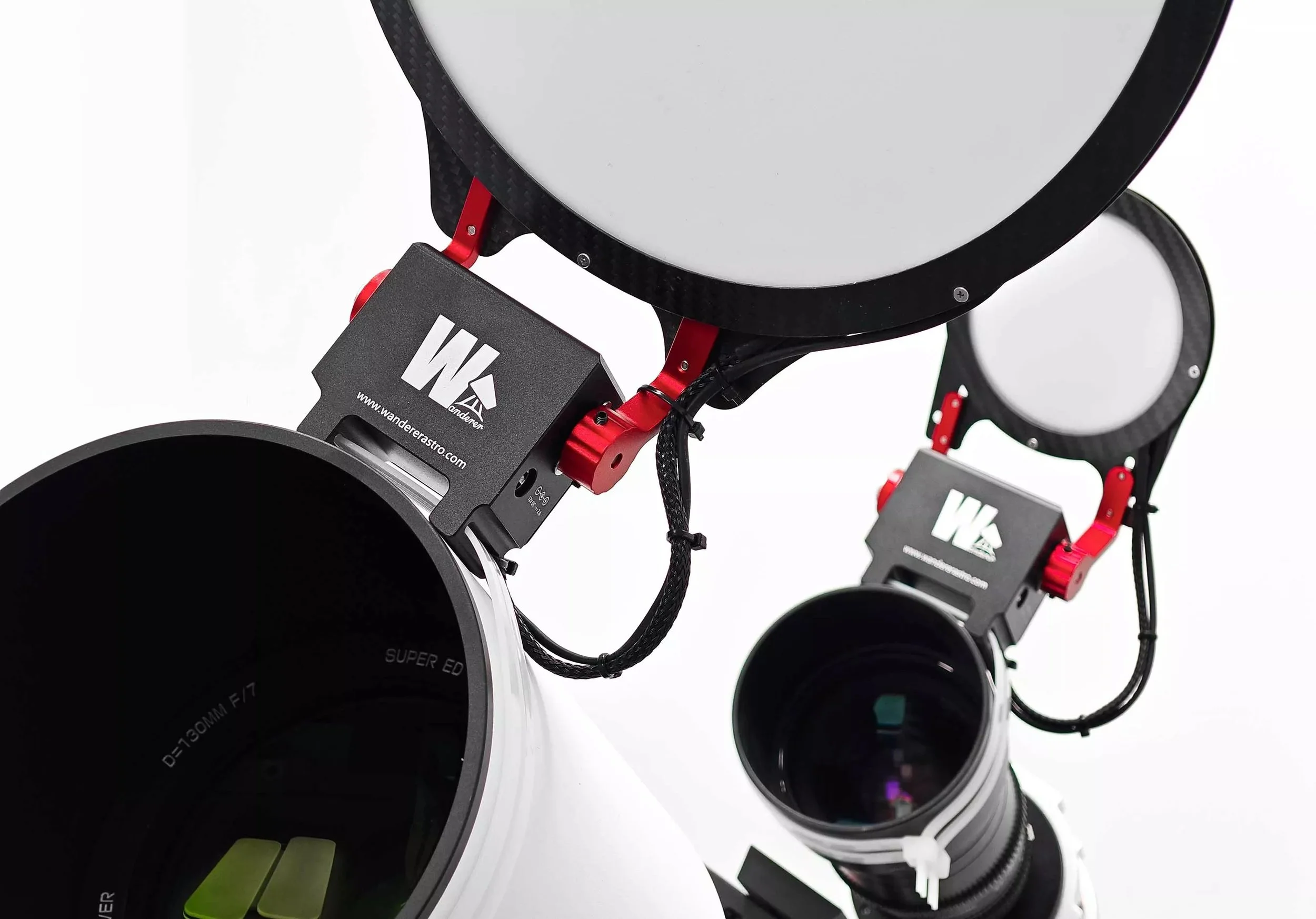
WandererCover V4-EC is compaticle with ZWO’s ASIAIR and Touptek’s StellaVita.
Verdict:
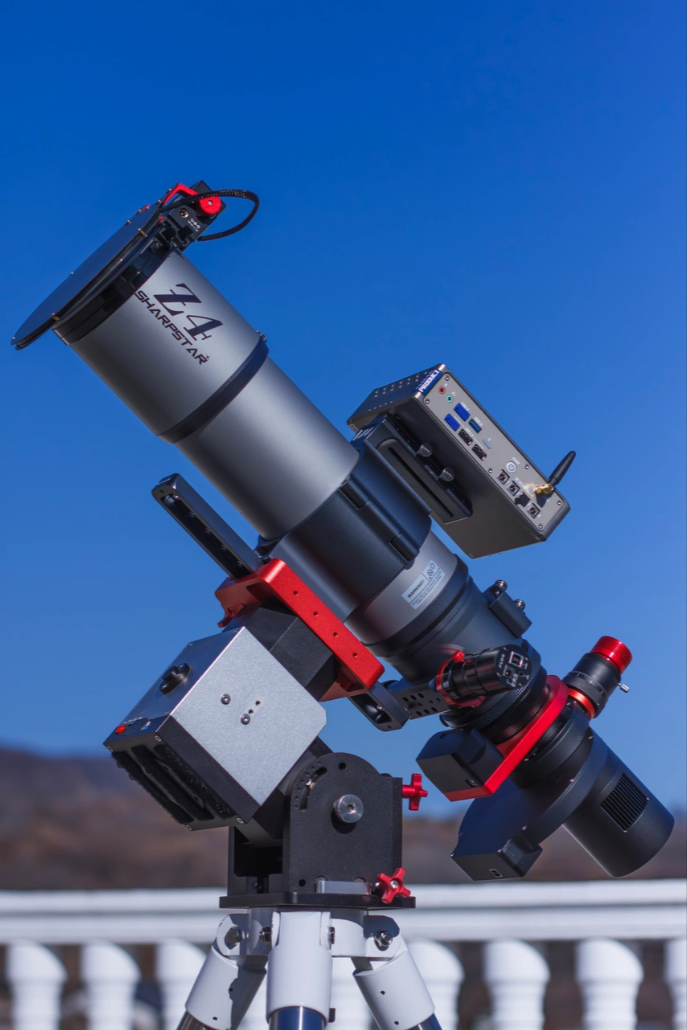
WandererCover V4-EC in action. Image by Steven "Nøkk" Song
Overall, the WandererCover V4-EC motorised flat panel and cover is a highly accomplished piece of equipment that can significantly streamline an automated astrophotography workflow. Compared to many competitors, it offers extra functionalities such as built-in dew heater and ASIAIR and StellaVita compatibility, with pricing starting at around $329 USD and goes up to $399 USD for larger aperture telescopes. Final cost will vary depending on the panel diameter you choose, your location, shipping fees, import duties, and whether WandererAstro are running promotional offers at the time of purchase.
The WandererAstro products come with a 2-years factory warranty and one-to one product support. However, one important consideration relates to where you actually purchase them. WandererAstro remind astrophotographers that if their products are purchased from unauthorized AliExpress stores, they will be locked and unusable, and are not covered by warranty or after-sales service!
In practical use, this motorised flat panel adds a valuable layer of automation and convenience to any imaging setup, making the process of capturing calibration frames far quicker, more consistent, and far less intrusive at the end of a long imaging session. Build quality is solid, operation is reliable, and once the initial setup and configuration via the dedicated WandererEmpire is done, the panel integrates smoothly into a modern, automated astrophotography workflow.
Looking back at WandererAstro’s other products demonstrates a solid track record to design and built high quality astrophotography equipment that significantly improve your imaging workflow. It is clear that they are passionate about innovation and care deeply about the community of astrophotographers who use their products. The future certainly looks exciting for WandererAstro as we keep our eyes peeled to see what other innovations they will come up next.
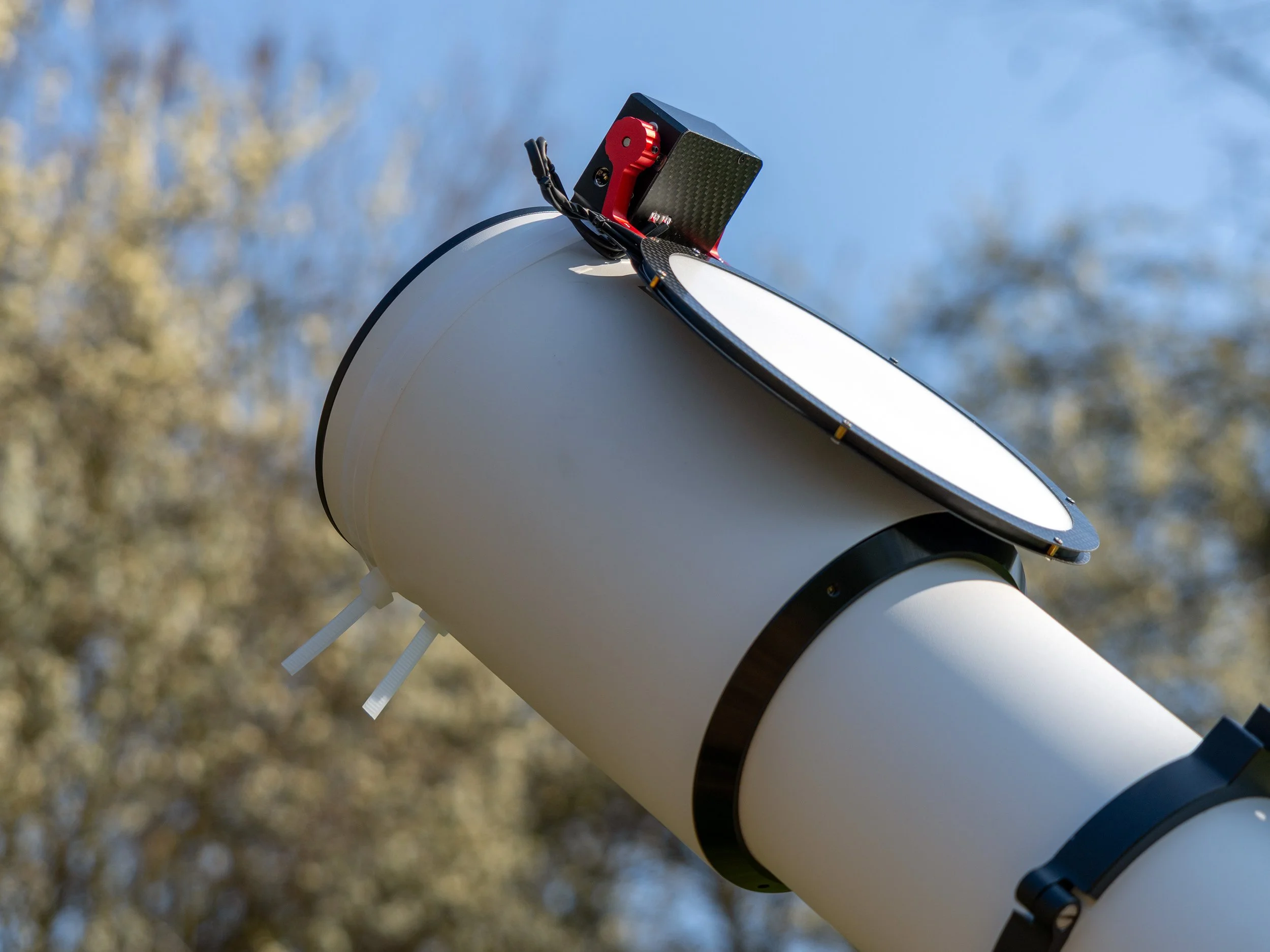
Make sure to get the correct size of Flat Panel by measuring the outer diameter of your telescope’s dew shield.
About WandererAstro
WandererAstro is a Chinese astrophotography equipment manufacturer founded by aerospace engineer and passionate astrophotographer Frank Wang. With over two decades of hands-on experience in the field (having started astrophotography at the age of 12), Frank has become one of the most accomplished astrophotographers in China.
In 2019, frustrated by the lack of accessible motorised accessories like flat panels and camera rotators in the domestic market, Frank began designing and building his own. What began as a personal solution quickly drew the attention of fellow astrophotographers, sparking the idea for a dedicated company.
WandererAstro was officially established in 2021, becoming the first Chinese brand focused on developing advanced astrophotography accessories such as electronic rotators, motorised flat panels, and power distribution boxes.
Today, WandererAstro is one of the leading names in astrophotography in China, known for its innovation, precision engineering, and commitment to making high-performance gear more accessible to astrophotographers around the world.
If you are interested in WandererAstro’s other products, you can read our in-depth review of WandererRotator Mini V2 camera angle rotator. Interested in buying the WandererCover V4-EC motorised flat panel? Click here.
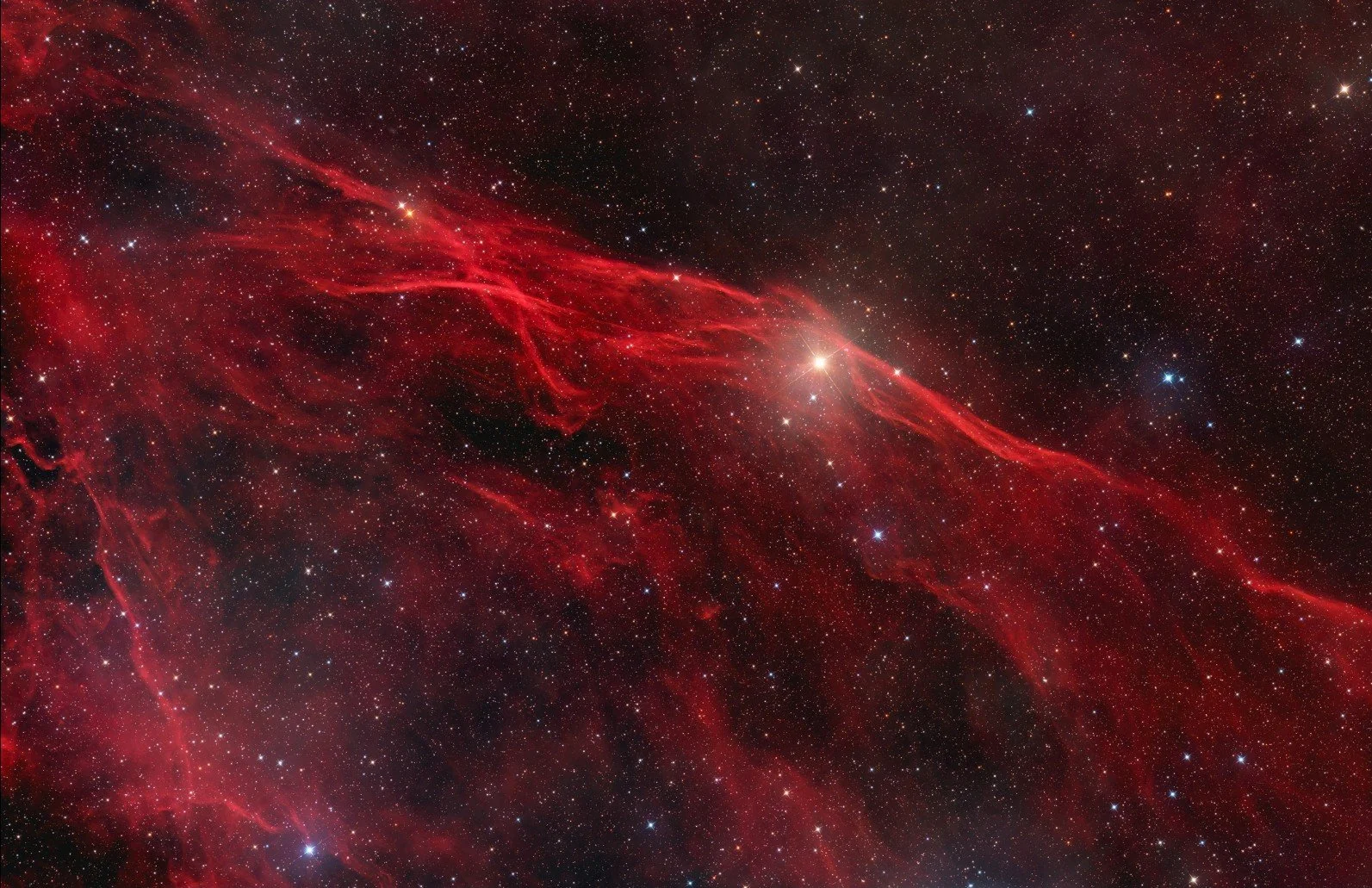
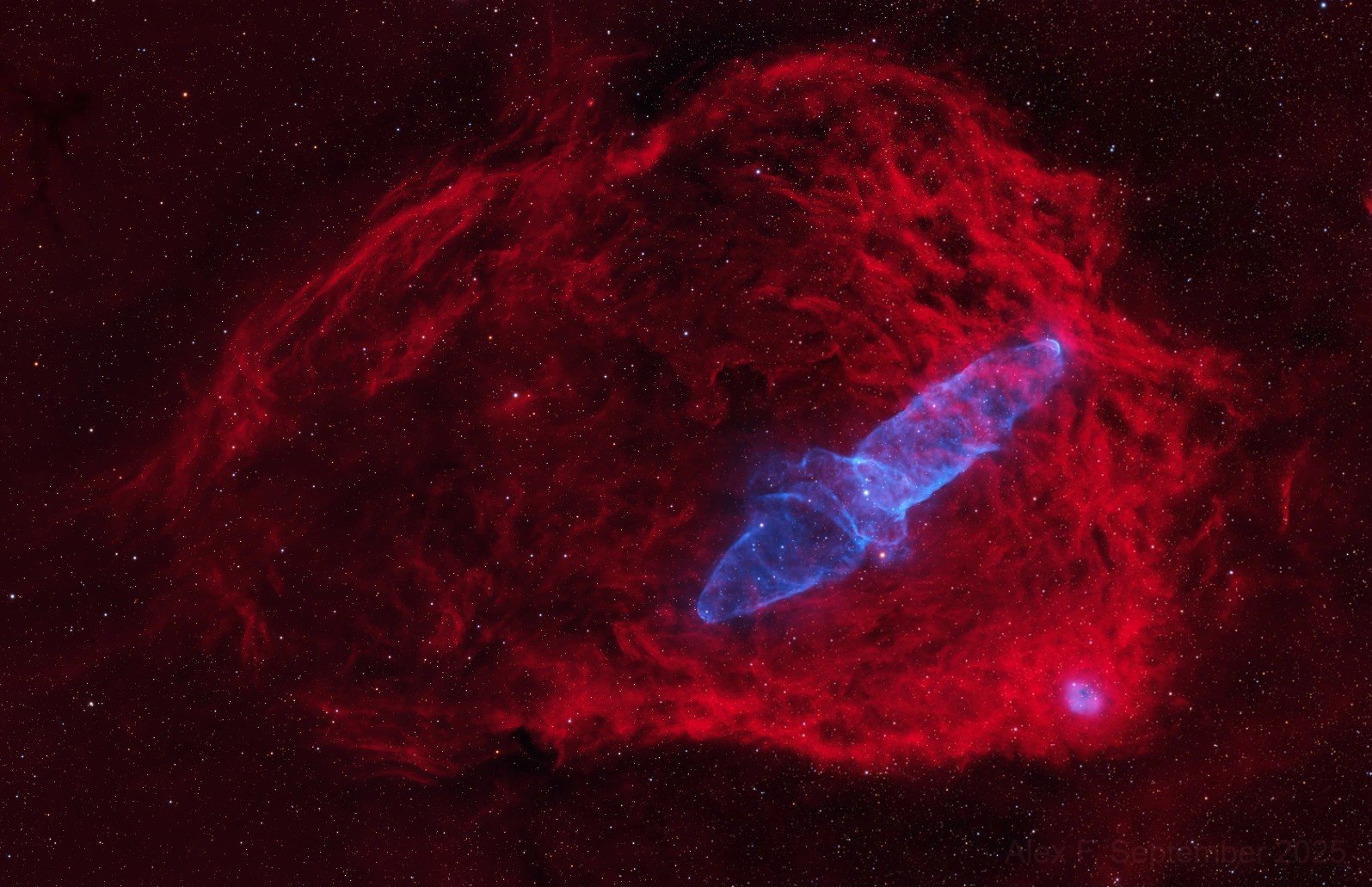
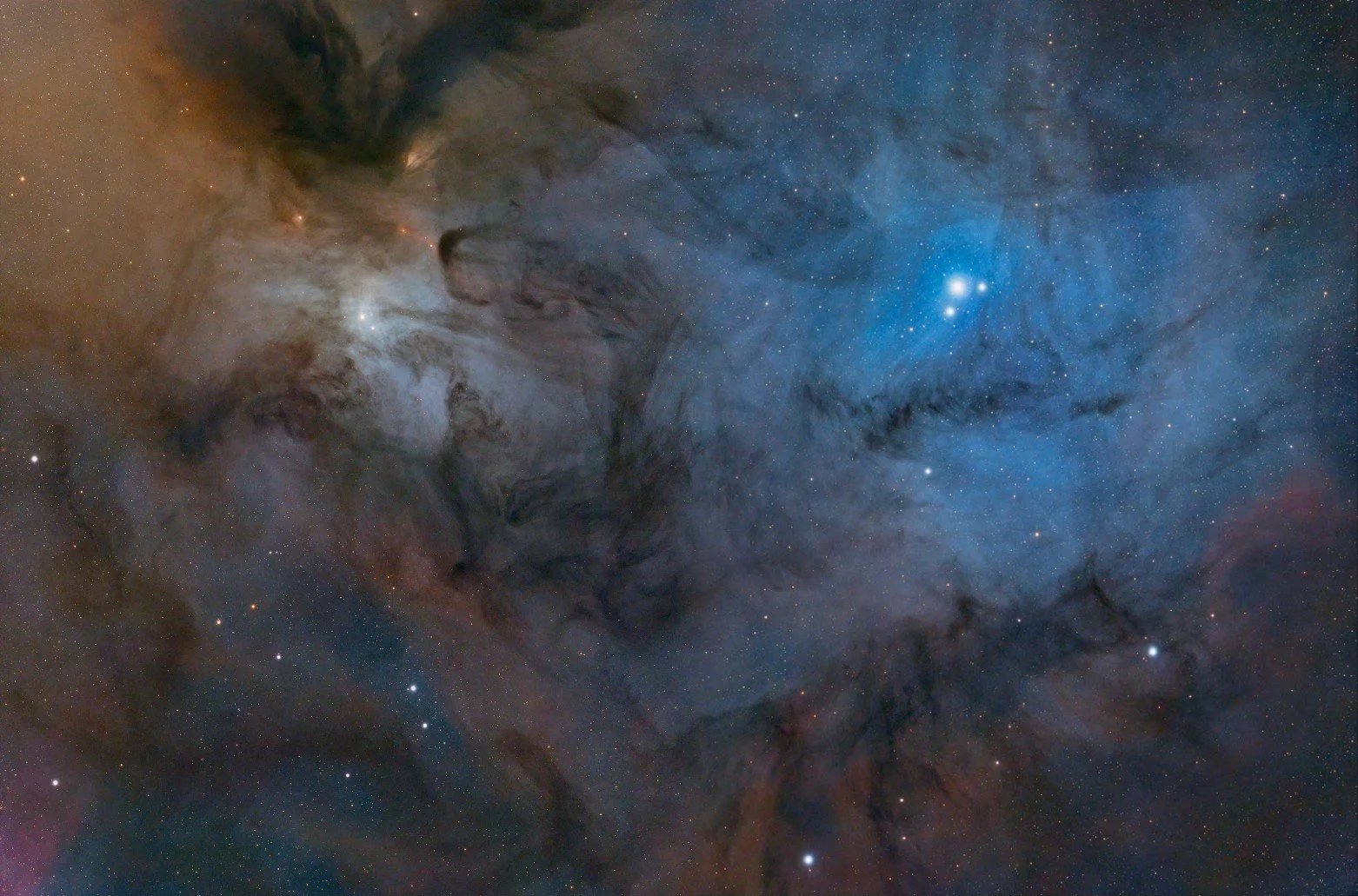
The following photos were captured using the WandererCover V4-EC motorised flat panel:
This review contains affiliate links. Purchasing through them can support Astromaniac Magazine at no additional cost to you and does not influence our impartiality and editorial independence.