14 Underrated Astrophotography Accessories That Will Transform Your Workflow

From filter drawer, hand warmer and bahtinov mask to power bank and dew heaters, accessories can significantly improve your experience.
Astrophotography often focuses on the big-ticket items: telescopes, mounts, cameras, and filters. But more experienced astrophotographers know that it’s the smaller, often overlooked accessories that quietly make the biggest difference. These are the tools that reduce friction, save time in the field, minimise frustration, and ultimately help you spend more time capturing photons instead of troubleshooting problems at 2am in the cold.
Below, we’ve grouped 14 underrated accessories into 3 categories: Tools, Equipment, and Miscellaneous essentials with each one proven to improve efficiency, reliability, and overall enjoyment of astrophotography. For each category, we have included an affiliate link to the accessory that we can confidently recommend. You can purchase them by clicking on the links in each section.
Tools
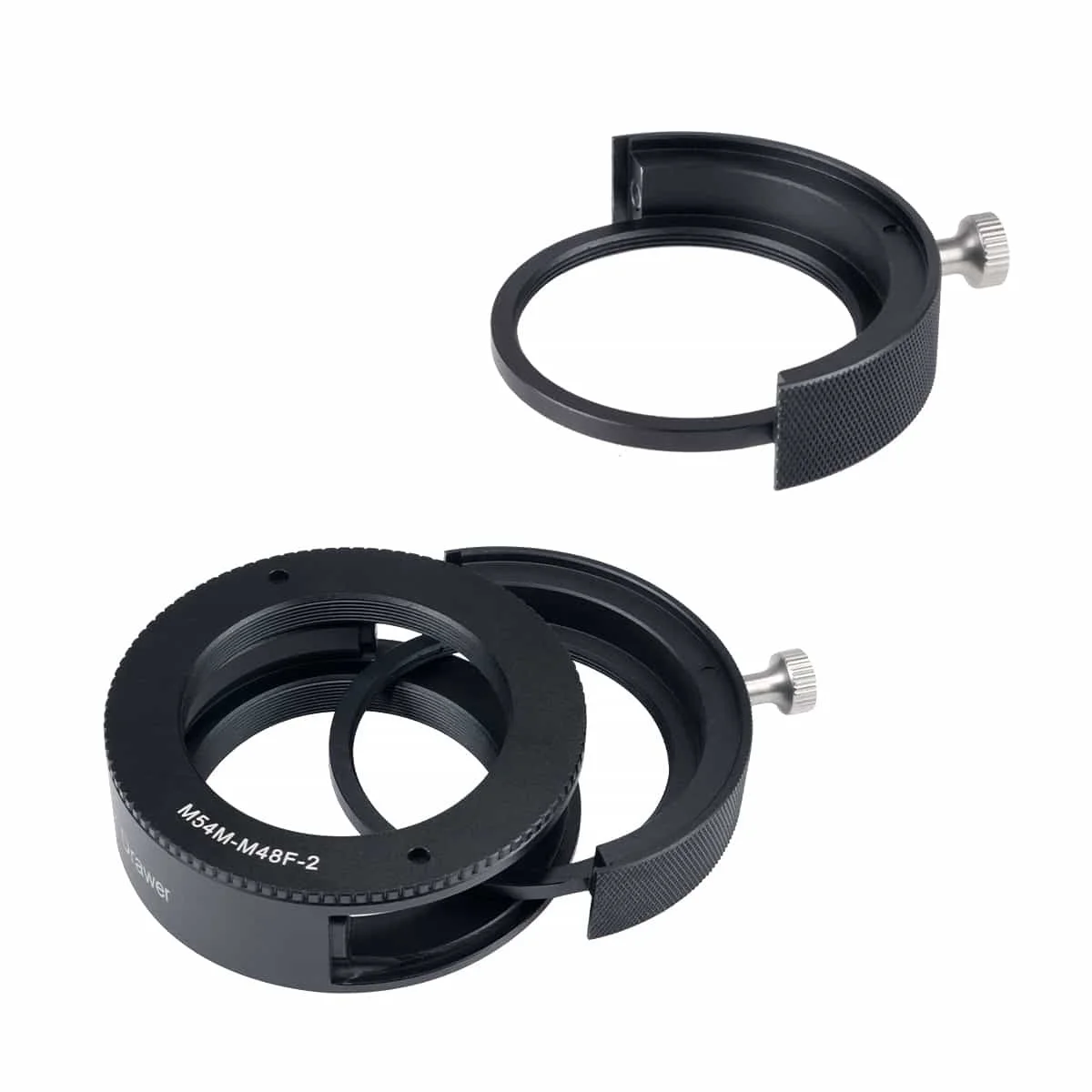
Svbony M54 Filter Drawer works with 2” filters
1. Filter Drawer
A filter drawer might not sound exciting, but once you’ve used one, it’s hard to go back. Broadly speaking, most astrophotographers need at least two light pollution filters: A broadband filter for galaxies, reflection nebulae and star clusters and a narrowband filter for emission nebulae. Instead of removing your whole camera setup from the back of the telescope, threading and unthreading filters in the dark (often with cold fingers), a filter drawer allows you to swap filters quickly and safely without dismantling your imaging train. This is particularly valuable if you run multiple filters for broadband and narrowband imaging in the same session. It also reduces wear on filter threads and minimises the risk of dropping an expensive filter onto the ground.
Our recommendation: M54 Filter Drawer by Svbony
2. Digital Calipers
Digital calipers are invaluable for achieving precise backfocus spacing, especially when working with reducers, spacers, flatteners, or filter drawers. Manufacturer specifications are often exact, and being off by even a millimetre can introduce stars distortion. A good set of calipers allows you to measure adapters and spacers accurately, take the guesswork out of spacing, and replicate successful setups consistently across different rigs.
Our recommendation: Absolute AOS Digimatic Caliper by Mitutoyo
3. Lens Cleaning Kit
Dust, pollen, and dew residue can subtly degrade image quality long before it becomes obvious in your data. A proper lens cleaning kit—microfibre cloths, air blower, and optical-safe cleaning fluid—helps keep optics in top condition without risking scratches or damage. Regular, careful cleaning also reduces the need for aggressive flat calibration and helps maintain contrast over long imaging seasons.
Our recommendation: Celestron Deluxe Lens Cleaning Kit
4. Bahtinov Mask
Few tools deliver such a dramatic improvement for so little cost. A Bahtinov mask makes precise focus fast, repeatable, and objective, especially when paired with live view or software-based focus aids. If you’re manually focusing, a Bahtinov mask removes guesswork and ensures your stars are as sharp as possible from the very first frame. That’s incredibly important. Because you want to stars to be as sharp as possible since you can’t be sure when is the next clear night. So you don’t want a blurry image.
Our recommendation: BuckeyeStargazer Bahtinov Masks
Equipment
5. Off-Axis Guiding (OAG)
Off-axis guiding is often overlooked in favour of traditional guide scopes, but for longer focal lengths it can be transformative. By guiding through the same optical path as the imaging camera, OAG eliminates differential flexure entirely. While setup can be more demanding initially, the payoff is more consistent guiding performance, tighter stars, and fewer ruined subs—especially on longer integrations.
Our recommendation: Off-Axis Guider by Svbony

Sky Quality Meter by Unihedron works with ASCOM and NINA
6. Light Pollution Meter
Understanding your sky quality is essential when planning targets, exposure lengths, and filter choices. A light pollution meter provides objective measurements rather than relying on guesswork or online maps. Devices like the Sky Quality Meter by Unihedron, which we’ve reviewed on Astromaniac Magazine, allow you to track changes in sky conditions over time and make informed decisions about imaging strategy, particularly for urban and suburban astrophotographers. You can embed the light pollution data for each sub in your file metadata thanks to NINA, providing that you have the LU version of the Light Pollution Meter.
Our recommendation: Unihedron SQM-LU Sky Quality Meter with USB
7. Camera Angle Rotator
A camera angle rotator is an often-overlooked tool that can significantly expand creative and technical control in astrophotography. By allowing precise rotation of the camera without disturbing focus or framing, it makes it easier to fine-tune composition, enhancing automation across your setup. This becomes especially valuable when you aim to achieve the exact same framing as before. Camera Angle Rotators are an essential part of remote setups. If you like to find out more about how they work, we have made an in-depth review of the WandererRotator Mini V2 camera rotator.
Our recommendation: Wanderer Rotator Mini V2 (M54)
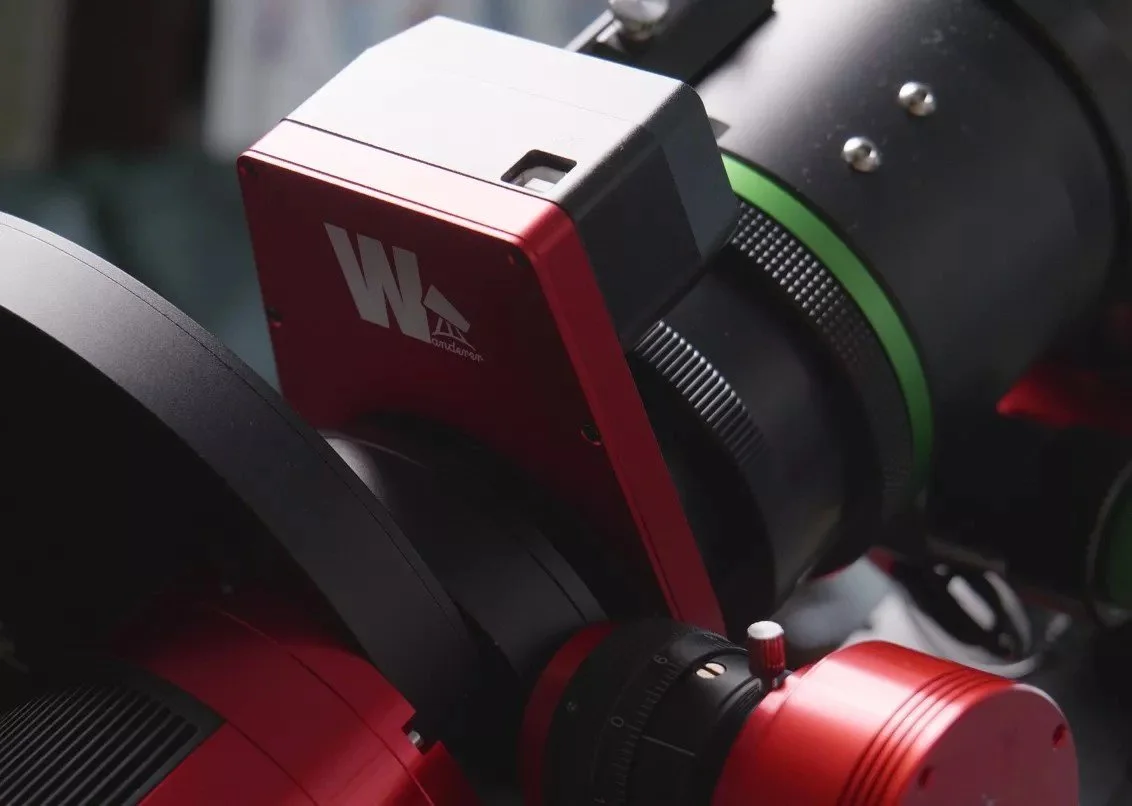
WandererRotator Mini V2
8. Power Bank
A high-capacity power bank can be a lifesaver, whether you’re running a portable rig or need backup power in case of unexpected failures. Modern power banks with regulated outputs can run cameras, mini PCs, dew heaters, or even mounts for hours. They add redundancy to your setup and provide peace of mind during long unattended imaging sessions.
Our recommendation (UK Plug): EZVIZ 300w Power Station
9. Headlamp
A good headlamp—preferably with a red-light mode—is essential for night-time setup and troubleshooting. It keeps both hands free while preserving night vision, making tasks like cable routing, focusing, or swapping accessories far easier. Adjustable brightness is key; overly bright lamps can ruin dark adaptation or disturb others at shared observing sites.
Our recommendation: Apertura Ember - The Astronomer's Headlamp
Miscellaneous

The Deep-sky Imaging Primer, Third Edition by Charles Bracken
10. Astrophotography Books
A well-written astrophotography book can be as valuable as any piece of equipment in your kit. Beyond camera settings and gear lists, the best books help photographers understand why certain techniques work, offering deeper insight into the physics of light, the motion of the night sky, and the creative decisions behind a compelling image, not to mention as space and atronomy knowledge that you will need to obtain. They add attention to details in a way online tutorials rarely do, encouraging intentional learning, long-term improvement, and thoughtful experimentation. Whether you’re refining your approach to composition or learning how to plan sessions around night sky events, a good astrophotography book becomes a quiet mentor, one you return to as your skills and questions evolve.
Our recommendation: The Deep-sky Imaging Primer by Charles Bracken
11. Bottle / Jar Opener
This humble household item can be surprisingly useful in astrophotography. Stubborn filter rings, tightly threaded adapters, or cold-shrunk metal parts can be difficult to loosen by hand. A rubberised jar opener gives you extra grip without risking scratches or excessive force, potentially saving both your gear and your sanity.
Our recommendation: 7-in-1 Jar Opener by Straame
12. Hand Warmers
Cold is the enemy of both equipment and concentration. Hand warmers keep fingers dexterous during winter sessions and can also be used creatively—taped near batteries or electronics to maintain optimal operating temperatures. Staying warm reduces mistakes and makes longer sessions far more enjoyable.
Our recommendation: 40 Pairs of Hand Warmers with 10 hours of heat
13. Cable Hook & Loop Ties
Cable management is one of the most underestimated aspects of reliable astrophotography. Hook-and-loop cable ties help secure power and data cables, reduce strain on connectors, and prevent snags during meridian flips. Clean cable routing isn’t just about aesthetics, it directly improves reliability and reduces the risk of ruined imaging sequences. They’re handy, multi-functional and very affordable.
Our recommendation: 35-Piece Reusable Silicone Cable Ties by TIESOME
14. Dual-Lock Adhesive Hooks
Dual-lock adhesive hooks are far stronger and more secure than standard Velcro. They’re ideal for mounting mini PCs, power distribution units, USB hubs, or Wi-Fi routers directly onto your mount or pier. They are made of micro mushroom shaped teeth that lock into each other. A well-mounted accessory reduces cable movement, improves balance, and keeps your rig tidy and transport-friendly.
Our recommendation: Dual Lock SJ3550
Image by Alex Bertha
A Few More Worth Considering
While the twelve above are our core picks, a few other accessories deserve honourable mentions: dew heater controllers with temperature sensors, and compact tool kits kept permanently with your rig. None are glamorous, but all can significantly improve the quality of your experience.
If you are interested in buying any of the above items and more, you can visit our Affiliations & Parners page. By purchasing through our affiliate links, you support Astromaniac Magazine at no extra cost to you, helping us continue sharing inspiring astrophotography, reviews, and resources for the community. In some cases, you can even benefit from exclusive offers and discounts.
Final Thoughts
Astrophotography is a game of marginal gains. While cameras and optics define your system’s potential, it’s these underrated accessories that unlock consistency, efficiency, and peace of mind. Investing in the right small tools can dramatically improve your workflow, often for a fraction of the cost of a new telescope or camera. Tools and equipment aside, you can also improve the quality of your photos by keeping an eye on the data and the numbers associated to them. You can learn more by reading this article: The Big Seven: Why Numbers Matter in Astrophotography.
If you are interested in buying any of the above items and more, you can visit our Affiliations & Parners page. By purchasing through our affiliate links, you support Astromaniac Magazine at no extra cost to you, helping us continue sharing inspiring astrophotography, reviews, and resources for the community. In some cases, you can even benefit from exclusive offers and discounts.