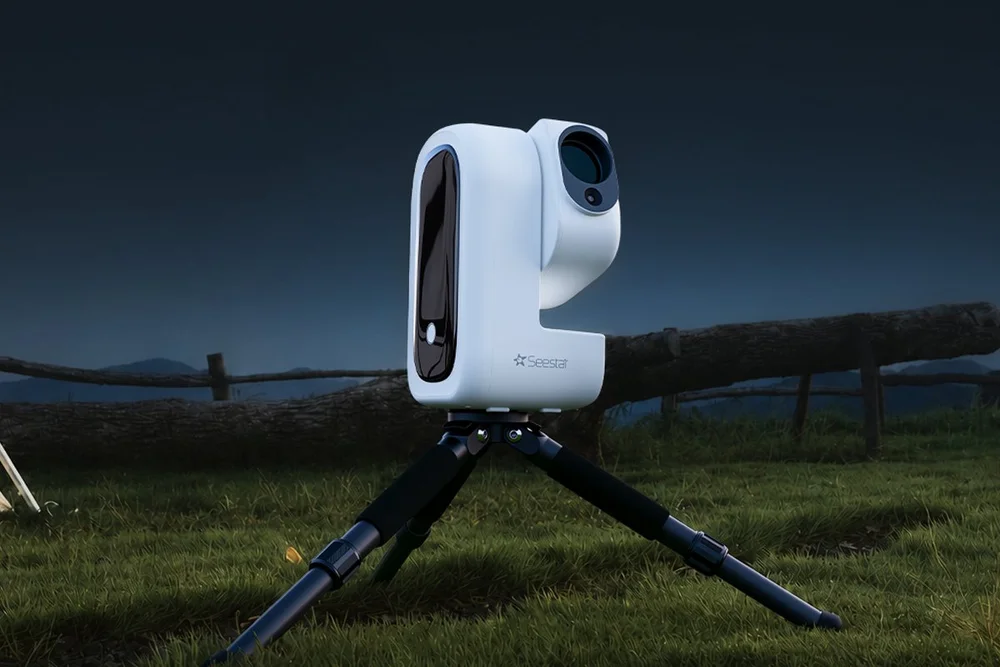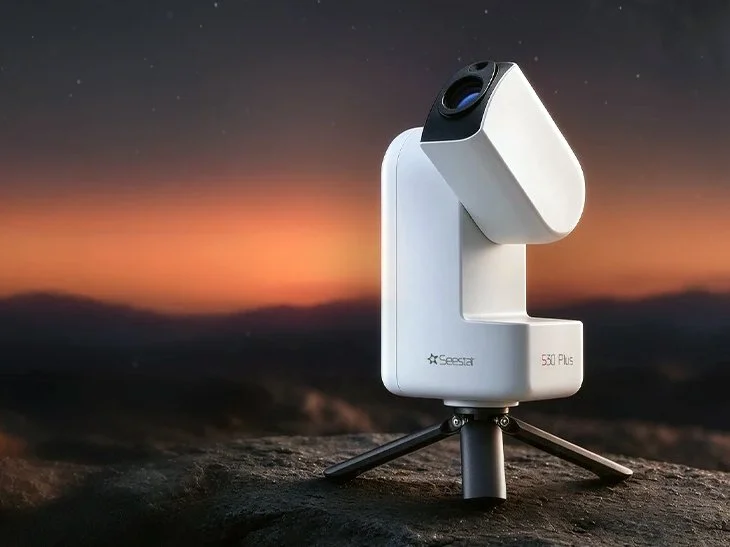
ZWO have done it again, Seestar S30 Plus Smart Telescope was released only 2 months after their flagship S50 Pro.

Pleiades, captured with Seestar S30 Plus
With dual 2K cameras, improved optics and a considerably lower price than its Pro family, the Seestar S30 Plus promises an accessible way into astrophotography. But is it the smart telescope most people should buy, or another model in an already crowded family?
ZWO's Seestar family is growing rather quickly. What started with the original S50 in 2023 has developed into a line-up of five smart telescopes, covering different budgets, imaging capabilities and ambitions. The latest arrival, the Seestar S30 Plus, is priced at $499 (€499) and promises to bring some of the capabilities of its more expensive siblings to a wider audience.
Earlier this year, we took a closer look at the Seestar S50 Pro, exploring how far ZWO had managed to push the idea of an automated telescope. It was an ambitious device, combining several years of technological progress into something remarkably portable. The S30 Plus is a more modest proposition, but perhaps a more compelling one for someone buying their first telescope.
Why Smart Telescopes Are On The Rise?
There was a time when taking a decent photograph of a deep space target required a fair amount of patience, knowledge and, let's face it, money. Even today, building a conventional astrophotography setup involves selecting a telescope, mount, camera, filters, guiding equipment and software, before spending considerable time learning how everything works together. The decision making side of it can also be exhausting.
Smart telescopes have changed that dynamic. By combining most of these components into a single, automated instrument, they allow someone with little astronomical experience to photograph objects that are otherwise invisible to the naked eye.
The Seestar does the heavy lifting. Choose a target in the app, let the telescope locate and track it, and watch as successive exposures are combined through live stacking. And boom, you have a deep space object appearing on your smartphone.
We've discussed this before in our Seestar S50 Pro review, but it's worth remembering that accessibility doesn't make the result any less astronomical. The very same photons have still travelled across vast distances before reaching the camera. What Seestar removes is much of the technical work previously required to collect them.
Of course, there's a trade-off. Unlike a conventional telescope, you cannot simply swap the camera or upgrade the optics. Nor do you look through an eyepiece: everything is experienced through a screen. For some, that removes part of the romance of astronomy. For others, particularly younger generations accustomed to capturing and sharing everything, it opens a completely new door.
Seestar S30 Plus at a Glance
Seestar S30 Plus
Specifications at a glance
- Main aperture
- 30mm Telephoto telescope
- Focal length
- 160mm f/5.3 · Four-element APO
- Telephoto sensor
- SC485SL 1/1.8-inch CMOS
- Wide-angle sensor
- IMX586 1/2-inch CMOS
- Image resolution
- 2K 1440 × 2560 portrait, both cameras. Wide-angle output cropped.
- Telephoto field
- 3° Portrait field of view
- Wide-angle field
- 43.5° Cropped portrait view
- Built-in filters
- UV/IR + Duo-band UV/IR on both cameras; duo-band and dark filter on telephoto
- Mount & tracking
- Alt-az / EQ Equatorial mode supported
- Storage
- 64GB Approximately 45GB usable
- Battery
- 6,000mAh Up to 6 hours claimed*
- Size & weight
- 1.65kg 210 × 140 × 80mm closed; weight excludes tripod
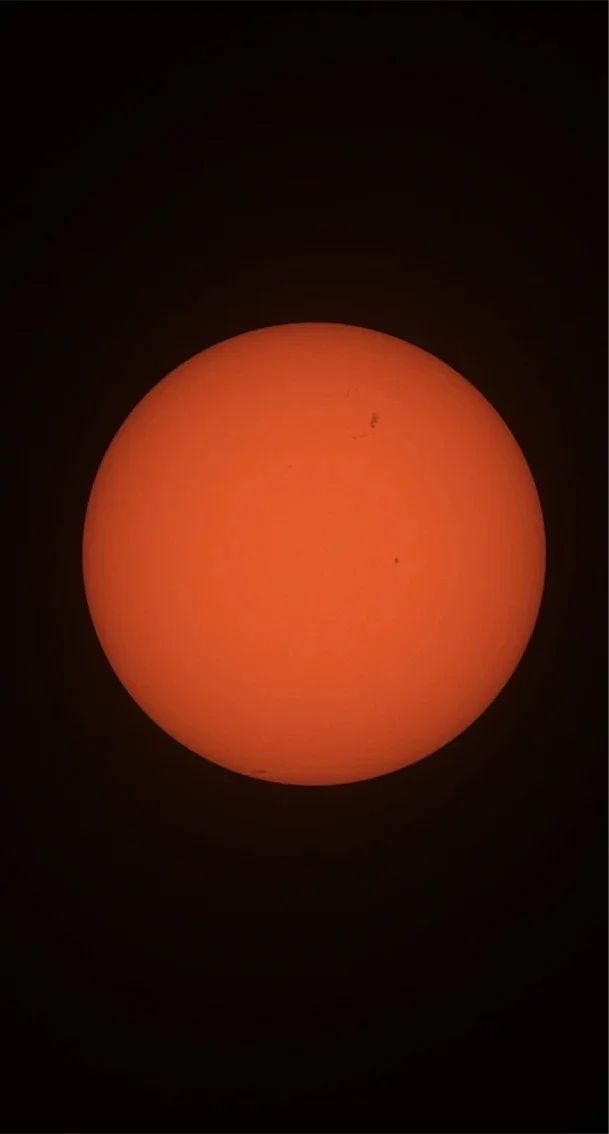
Both S30 Plus’ cameras record 2K output, although the telephoto and wide-angle modes cannot operate simultaneously. The S30 Plus also includes internal UV/IR-cut and dual-band filters for the main camera, alongside a magnetic solar filter for safely photographing the Sun when correctly fitted.
The telescope supports equatorial-mode, but its wide-angle camera does not support mosaic imaging, a limitation of Seestar’s non-Pro telescopes.
So, What's New With the S30 Plus?
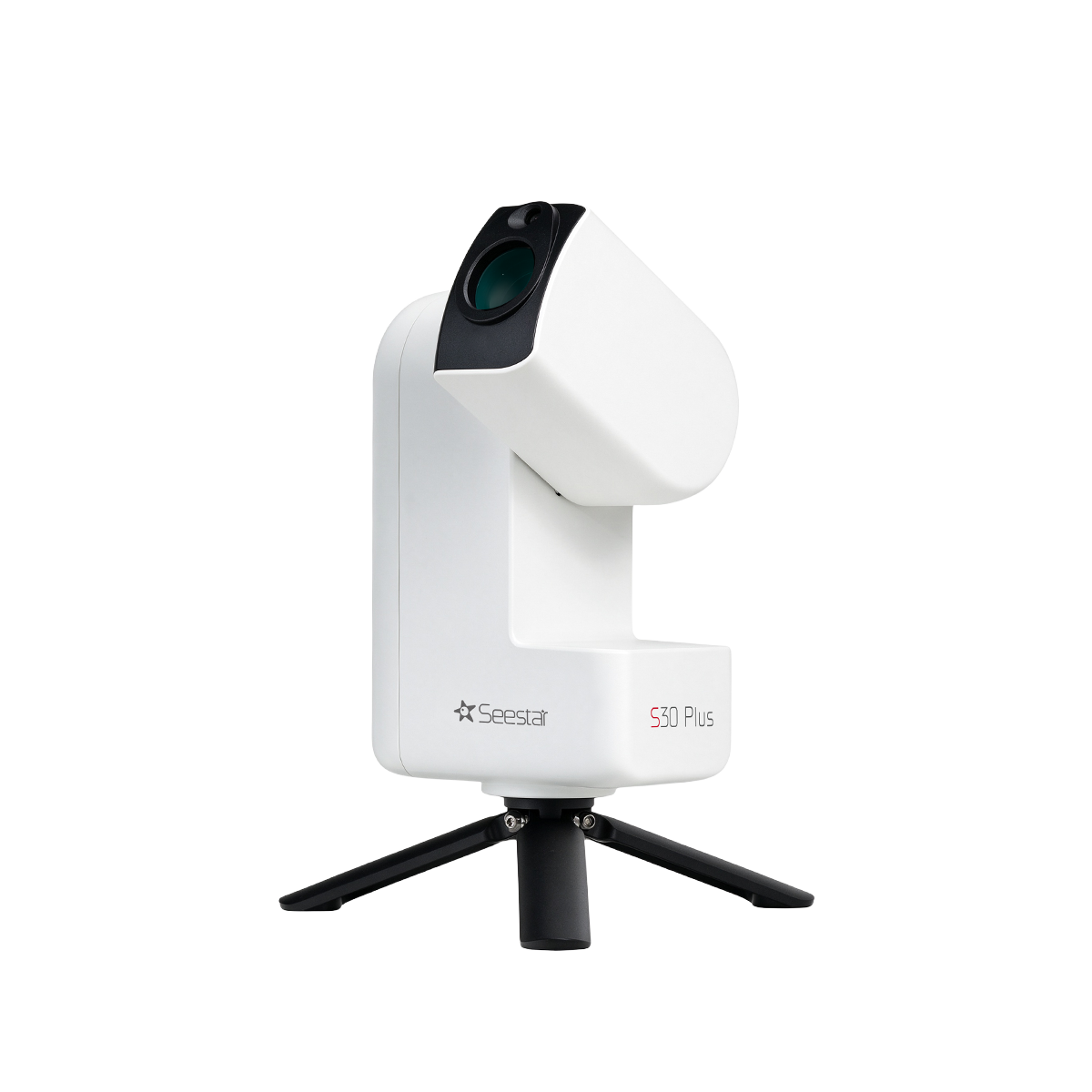
The S30 Plus has 64 GB of internal storage, but only 45 GB of it is usable.
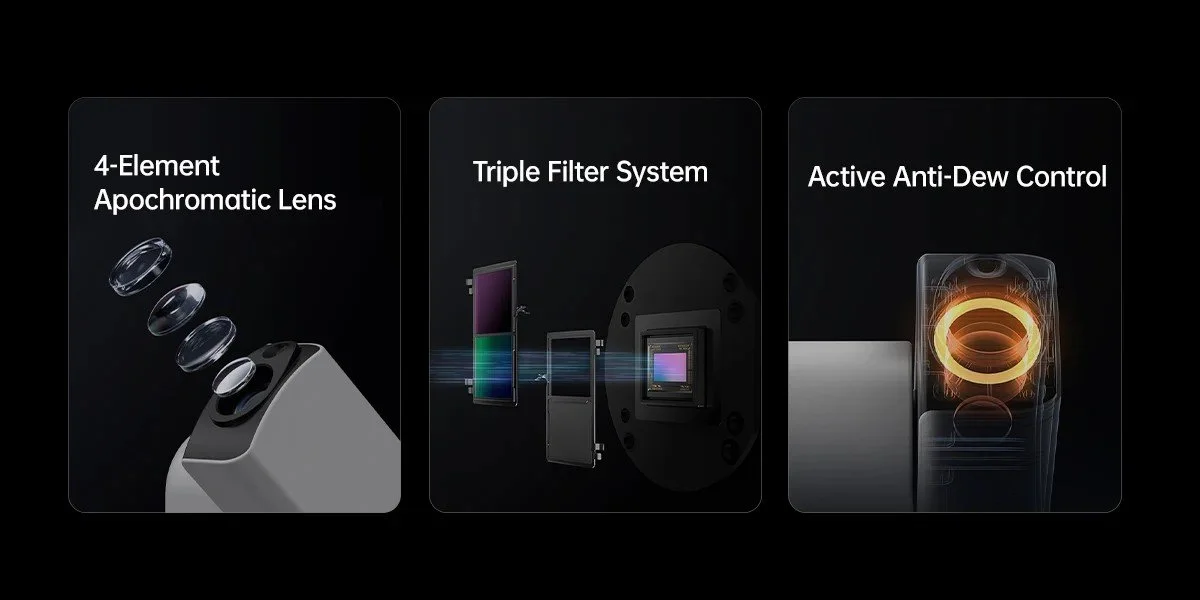
The most noticeable change from the original S30 is its upgraded imaging system. ZWO has introduced a four-element apochromatic optical design incorporating Extra-low Dispersion (ED) glass, intended to improve colour correction and the sharpness of stars.
Anyone who has photographed a bright star through a modest refractor will be familiar with the occasional purple or blue halo. Better-corrected optics should help keep these unwanted colours under control, although we'll need to examine actual images before judging how successfully ZWO has achieved this.
The S30 Plus also records higher-resolution images than the original S30. More importantly, it retains the dual-camera approach that makes the smaller Seestars rather versatile: a telephoto camera for deep-sky objects and a separate wide-angle camera for photographing larger portions of the night sky.
The telescope remains compact and relatively light, with the familiar Seestar app handling target selection, automatic positioning, tracking, image capture and processing. ZWO has also included NFC pairing and automated imaging plans, features intended to make the experience less demanding for newcomers.
None of this reinvents the smart telescope. As harsh as it might sound, the S30 Plus appears to rehash a familiar formula to appeal to a wider range of customers.
Seestar S30 Series
Swipe horizontally to compare all three models.
| Specification |

|

|

|
|---|---|---|---|
| Aperture | 30mm | 30mm | 30mm |
| Optical design | 3-element APO / ED | 4-element APO / ED | 4-element APO / ED |
| Focal length | 150mm · f/5 | 160mm · f/5.3 | 160mm · f/5.3 |
| Main camera sensor | Sony IMX662 1/2.8-inch | SC485SL 1/1.8-inch | Sony IMX585 1/1.2-inch |
| Main image resolution | 1080p · 2.1MP | 2K · 3.7MP | 4K · 8.3MP |
| Telephoto field of view | 2.46° | 3° | 4.6° |
| Wide-angle resolution | 1080p | 2K · Cropped | 4K |
| Wide-angle field of view | 23.2° | 43.5° · Cropped | 63° |
| Milky Way / star-trail modes | ✕ | ✓ | ✓ |
| Wide-angle mosaics | ✕ | ✕ | ✓ |
| Simultaneous dual-camera capture | ✕ | ✕ | ✓ |
| Internal storage | 64GB | 64GB | 128GB |
| US list price | US$399 | US$499 | US$699 |
All three models: 1.65kg, 6,000mAh battery and up to six hours of operation under ZWO laboratory conditions. Resolution and field-of-view figures are manufacturer specifications; actual imaging results vary with observing conditions. Prices are US list prices, excluding temporary promotions.
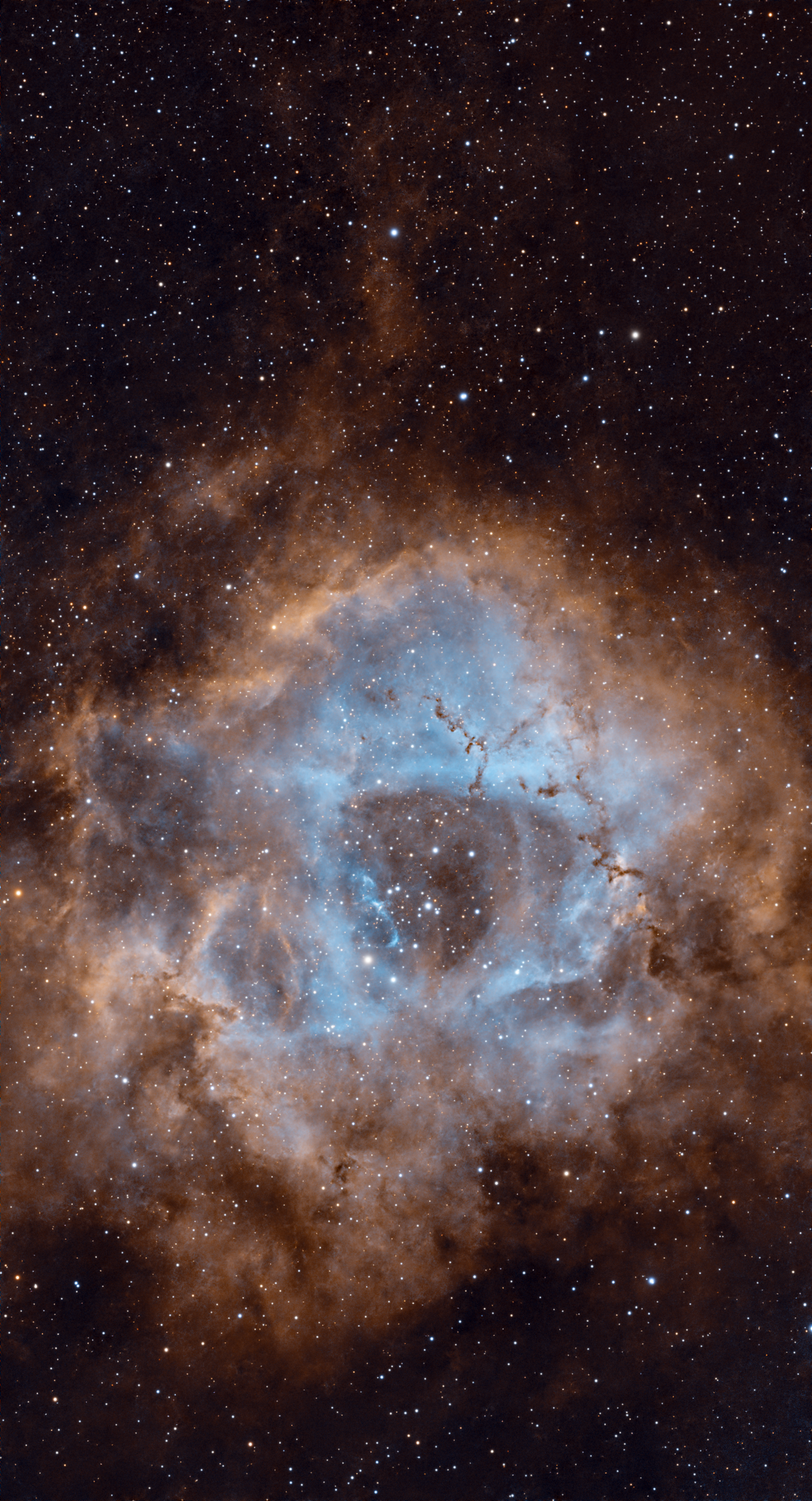
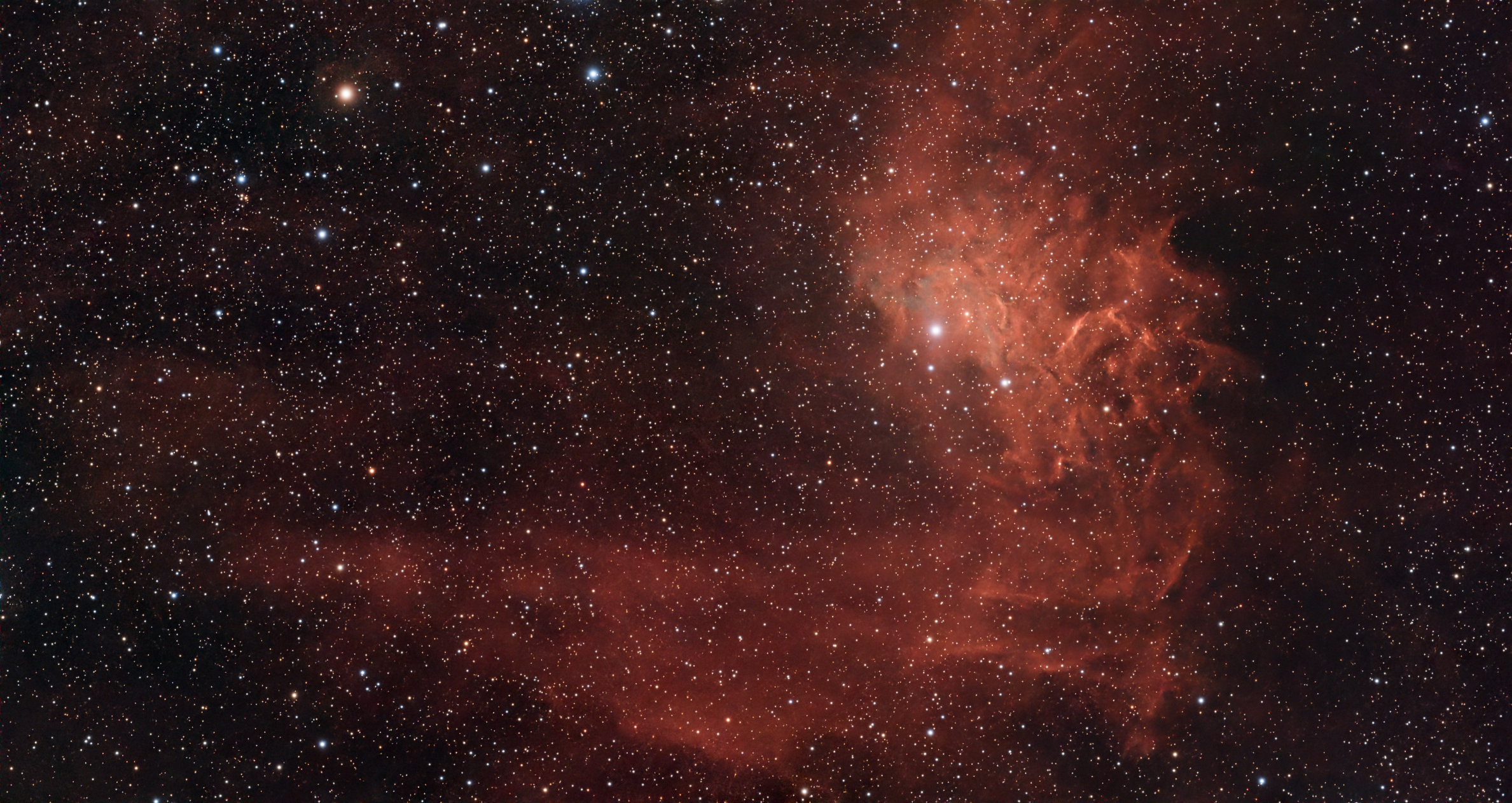
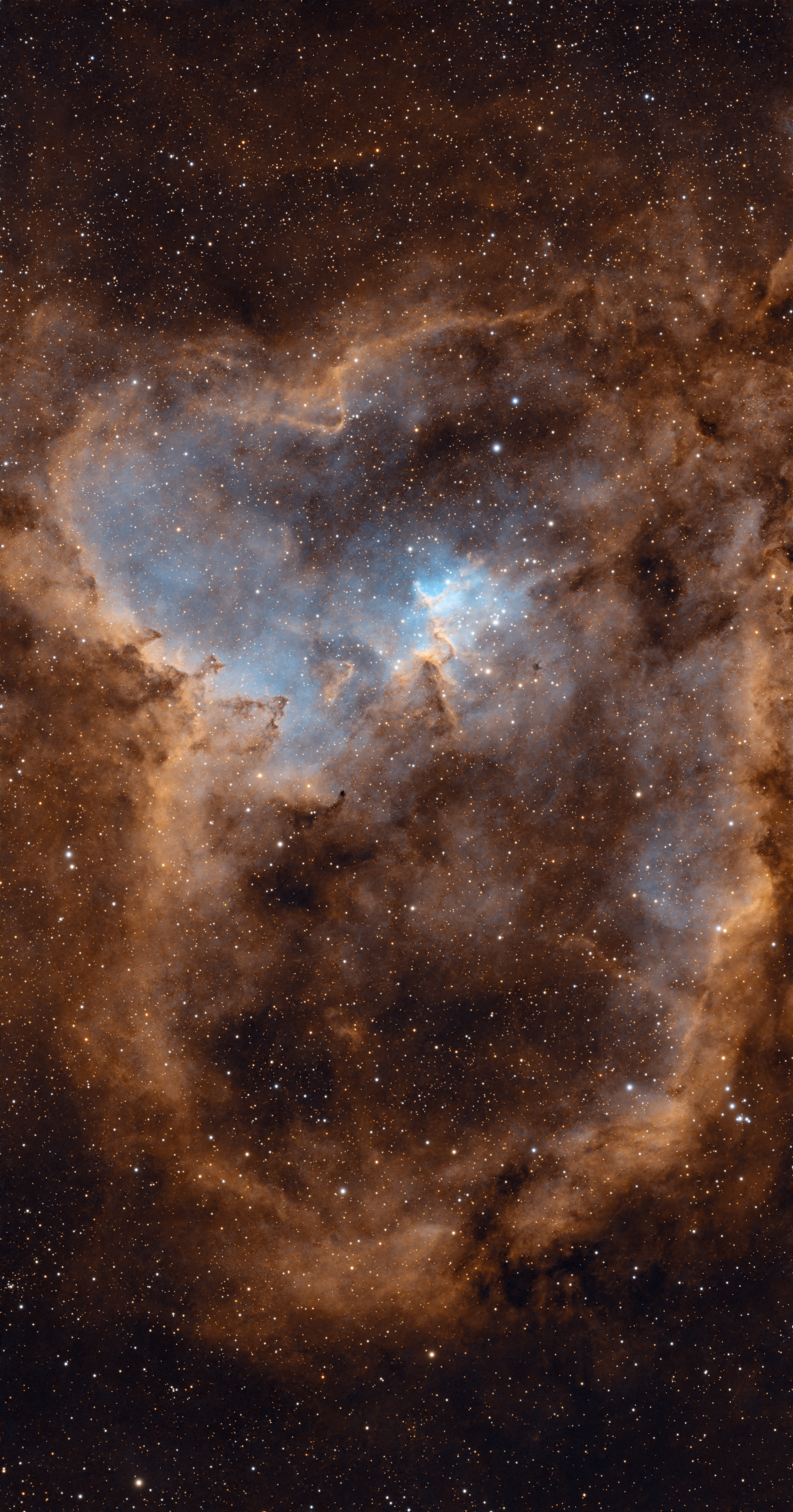
The following images were all taken with the new Seestar S30 Plus.

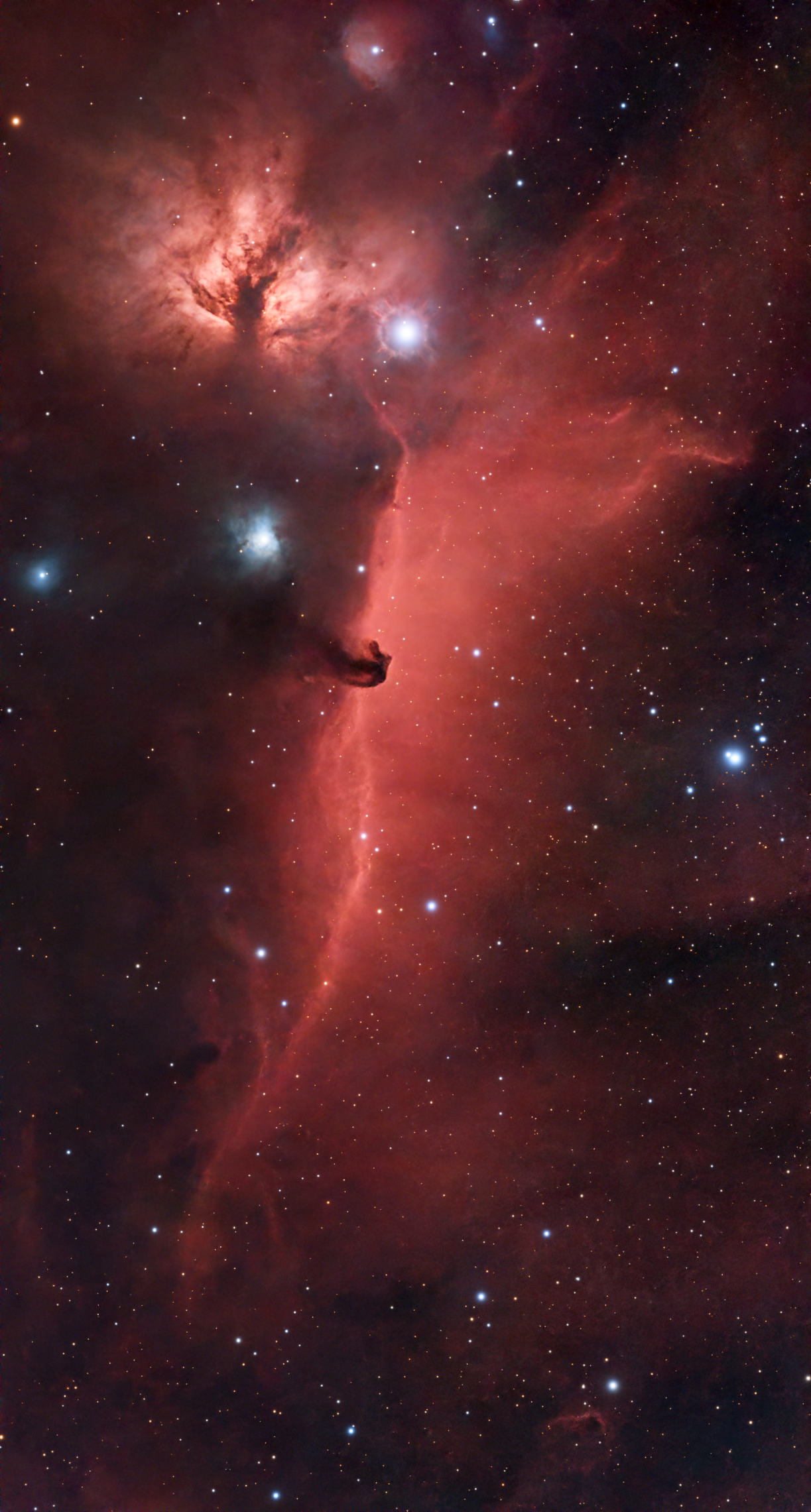

Two Different Ways of Seeing the Sky
One of the S30 Plus's greatest attractions is its ability to switch between photographing distant celestial objects and capturing much wider views of the night sky. Its two cameras serve different purposes, giving astronomers a taste of both deep-sky and wide-field astrophotography all via one device.
The telephoto camera is where most of the deep-sky action happens. Bright nebulae, galaxies and star clusters such as Orion, Andromeda and the Pleiades are natural subjects. Its built-in dual-band filter also helps isolate the light emitted by certain nebulae, making it particularly useful under light-polluted skies. And if a target doesn't quite fit within the frame, the telescope's mosaic mode can capture overlapping sections and stitch them together into a larger composition.
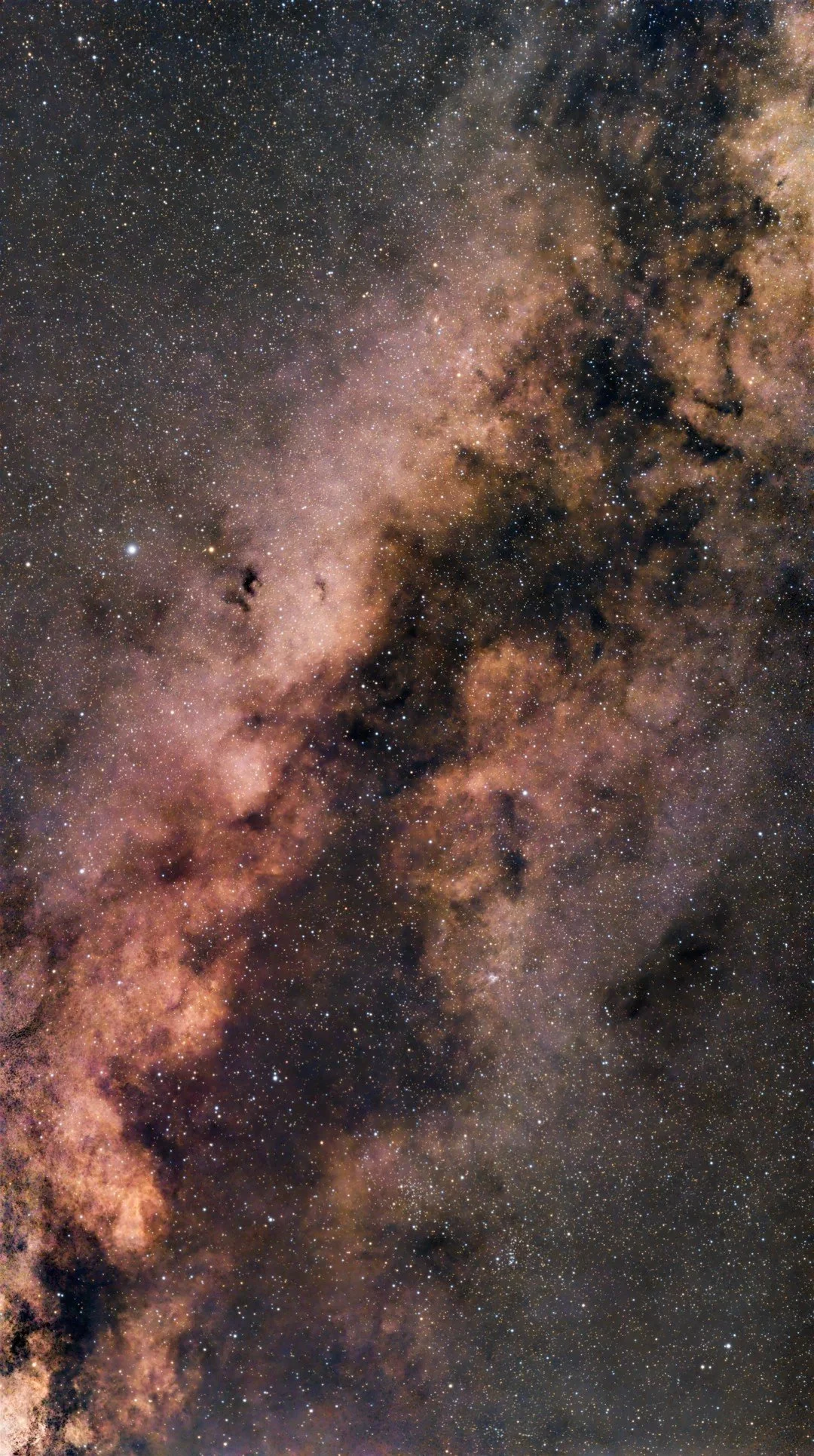
The wide-angle camera takes a rather different approach. It's designed for constellations, star trails, nightscapes and sections of the Milky Way. ZWO has introduced some clever additions here, including automatic star-trail videos and a feature that can keep the foreground landscape stationary while tracking the stars above. There's also constellation recognition, which adds a welcome educational element to the experience. It's easy to imagine these features appealing to photographers who have never ventured much beyond conventional landscape photography.
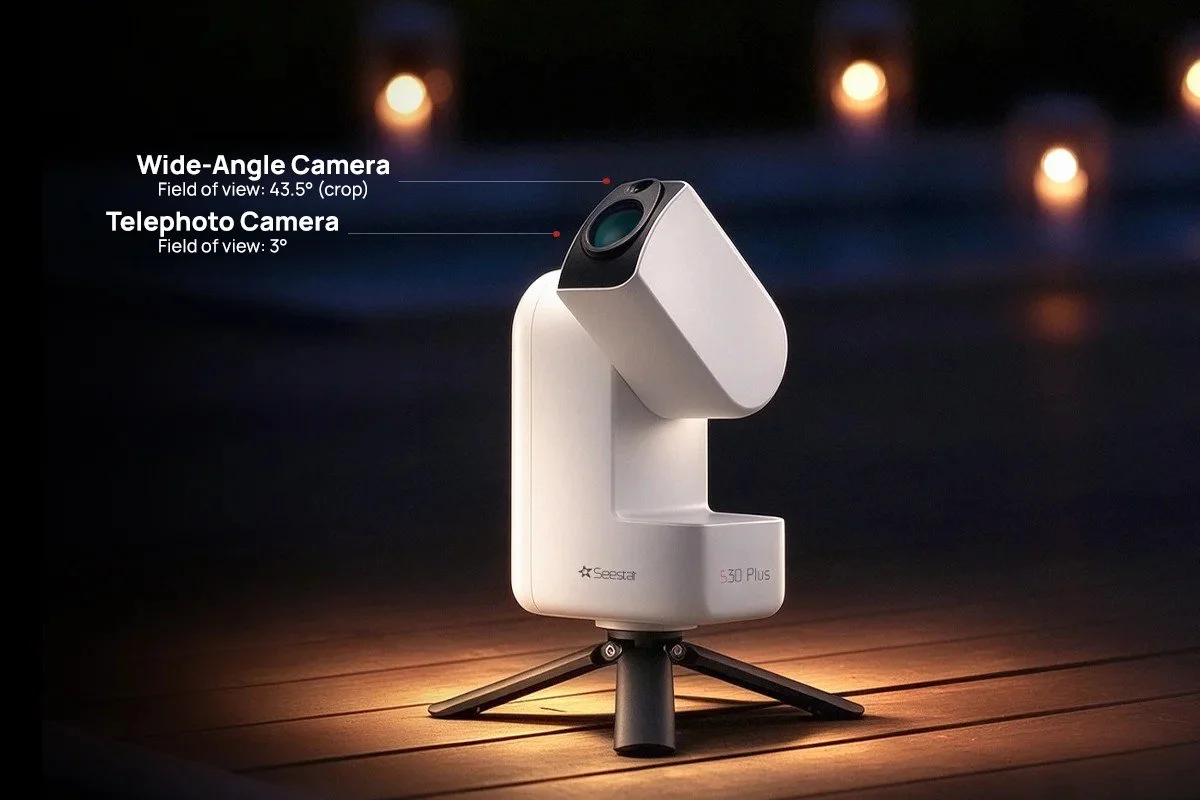
There are a couple of catches. The wide-angle camera produces a cropped portrait image, with a field of view of around 43.5 degrees. That's generous for a telescope, but hardly ultra-wide by nightscape photography standards. You won't be photographing the entire Milky Way arch in one shot. Plus, if you don’t have access to really dark skies, capturing a Milky Way shot might not lead to a great result. The two cameras must also be used separately rather than simultaneously.
As for planets, the S30 Plus is better suited to photographing the Moon than revealing fine details on Jupiter or Saturn. Its small aperture and short focal length impose limits that even the cleverest software can't overcome. But put it in front of a large nebula on a clear night, give it some time to collect light, and there is plenty of potential for rewarding images. Independent testing will tell us just how much of that potential ZWO has managed to extract.
And… On That Camera Sensor
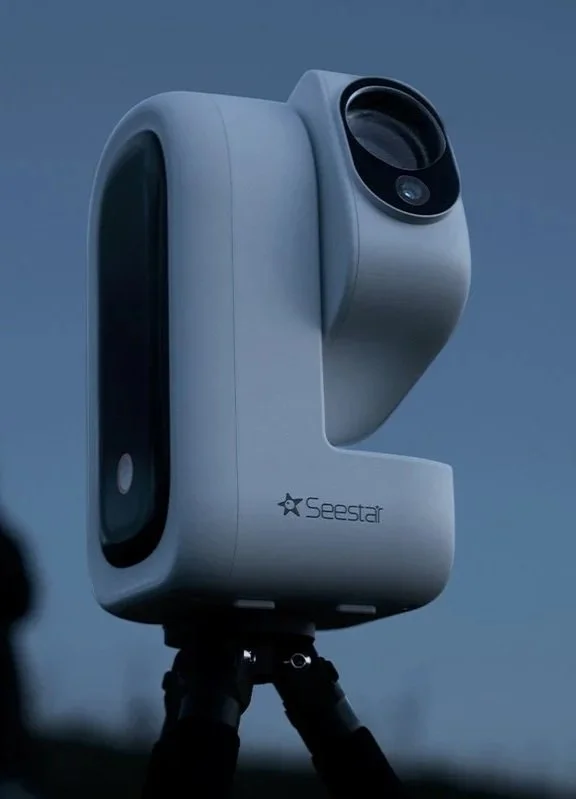
The Seestar S50 Pro’s main imaging sensor is by OmniVision.
Readers of our S50 Pro review may remember the confusion surrounding its main imaging sensor. Initially, the published specifications suggested Sony's popular IMX585, but following our enquiries, the Seestar team confirmed that the telescope actually uses OmniVision's OS08B10.
This time, ZWO's supplied documentation identifies the S30 Plus's main camera as using an SC485SL sensor, with Sony's IMX586 handling wide-angle imaging.
The more expensive S30 Pro, meanwhile, uses the larger Sony IMX585 for its main camera. On paper, this gives the Pro a more promising starting point for demanding deep-sky imaging, but sensor selection is only part of the equation. Read noise, sensitivity, optical correction and how the software processes the data all contribute to the final result. According to some tests, it was suggested that the OmniVision's OS08B10 sensor inside the S50 Pro had the edge over the more established Sony IMX585. Although, Astromaniac Magazine can’t independently verify those claims.
We'd rather examine comparable images than declare a winner from a sensor specification sheet. A trusted Sony badge is reassuring, but it isn't conclusive.
Seestar Sensors, Compared
How big are the camera sensors inside Seestar telescopes? Switch cameras and select a model to explore their actual physical dimensions. Every rectangle uses the same millimetre scale.
How to read this: The illustration compares the sensors' approximate physical imaging areas, not their pixel resolution, telescope aperture or field of view. Optical-format labels such as 1/1.8-inch are nominal categories, not literal measurements. The S30's wide-angle sensor is inconsistently identified across ZWO publications and is therefore not plotted. The original S50 has no separate wide-angle camera. Sources: Seestar, Sony Semiconductor, SmartSens and OMNIVISION.
Seestar Lineup: Which One Is For You?
With five Seestar models now in the family, choosing one is becoming a little like deciphering the trim levels of a new car. The names sound similar, but the differences extend well beyond the price.
The closest competitor to the S30 Plus is undoubtedly the S30 Pro. Both use a 30mm aperture, the same 160mm focal length and four-element APO optics. However, the S30 Pro offers 4K imaging, a larger main sensor and considerably wider fields of view. It also has twice the internal storage.
At $699, the Pro costs another $200. That's a meaningful difference, particularly for a beginner who isn't yet sure how deeply they'll get involved in astrophotography.
The S30 Plus makes a reasonable argument for keeping that money in your pocket. Its main optical specifications are similar, and it still offers a pair of cameras for exploring different types of subjects. But buyers interested in wider compositions, image cropping and greater flexibility should seriously consider the Pro.
The S50 Pro, which we previously reviewed, is a rather different beast. Its larger 50mm aperture gathers approximately 2.8 times as much light as a 30mm aperture, assuming similar transmission, while the longer focal length provides greater image scale. Those advantages become more relevant when photographing faint or relatively small deep-sky objects.
The original S30 and S50 remain useful points of comparison, although ZWO now lists both as discontinued. Their continued presence on the second-hand market may give budget-conscious buyers something else to think about.
Comparing the Seestar Family
Five Seestar smart telescopes, each with a different balance of imaging capability, portability and price.
Swipe horizontally to compare models.
| Specification | S30 Discontinued | S30 Plus New · 2026 | S30 Pro 2026 | S50 Discontinued | S50 Pro 2026 flagship |
|---|---|---|---|---|---|
| Main aperture | 30mm | 30mm | 30mm | 50mm | 50mm |
| Focal length | 150mm | 160mm | 160mm | 250mm | 260mm |
| Optical design | 3-element APO | 4-element APO + ED | 4-element APO + ED | 3-element APO | 4-element APO + ED |
| Telephoto sensor | Sony IMX662 | SC485SL | Sony IMX585 | Sony IMX462 | OmniVision OS08B10 |
| Main image resolution | 1920 × 1080 | 2560 × 1440 | 3840 × 2160 | 1920 × 1080 | 3840 × 2160 |
| Telephoto field of view | 2.46° | 3° | 4.6° | 1.46° | 2.8° |
| Wide-angle field of view | 23.2° | 43.5° cropped | 63° | Not available | 63° |
| Internal storage | 64GB | 64GB | 128GB | 64GB | 128GB |
| Battery capacity | 6000mAh | 6000mAh | 6000mAh | 6000mAh | 10,000mAh |
| Quoted runtime | Up to 6h | Up to 6h | Up to 6h | Up to 6h | Up to 9h |
| Main unit weight | 1.65kg | 1.65kg | 1.65kg | 2.5kg | 2.8kg |
| US list price | $399* | $499 $474 launch offer | $699 | $499* | $999 |
| Best suited to | Budget entry-level imaging | Affordable dual-camera astronomy | Compact 4K and wider fields | 50mm deep-sky imaging | Higher-capability deep-sky imaging |
Prices and stock availability vary by retailer and region.
What we find encouraging about the growing Seestar range is that it's no longer simply a question of choosing the cheapest or most expensive model. Each telescope has its own strengths, and the right choice depends on what you actually want to photograph.
Already Own a Seestar?
Here comes the dilemma and temptation of upgrading. For those of you owning the original S30, the new S30 Plus brings some worthwhile improvements. Better-corrected optics, higher-resolution imaging and a significantly wider secondary camera make it a more versatile instrument. Whether those improvements justify replacing a perfectly functional telescope will depend on how often you find yourself pushing against the original S30's limitations.
The situation is slightly different for S50 owners. Despite its age, the original S50 benefits from a larger aperture and longer focal length than the S30 Plus. Moving to the smaller telescope might make sense if wide-angle imaging and portability are your priorities, but it would mean giving up some of the S50's advantages for deep-sky photography.
And if you already own the S30 Pro or S50 Pro? We'd suggest keeping your Pro Seestar, unless there's a specific reason to want a second, simpler instrument. The Plus isn't intended to replace either model.
Is This Value for Money?
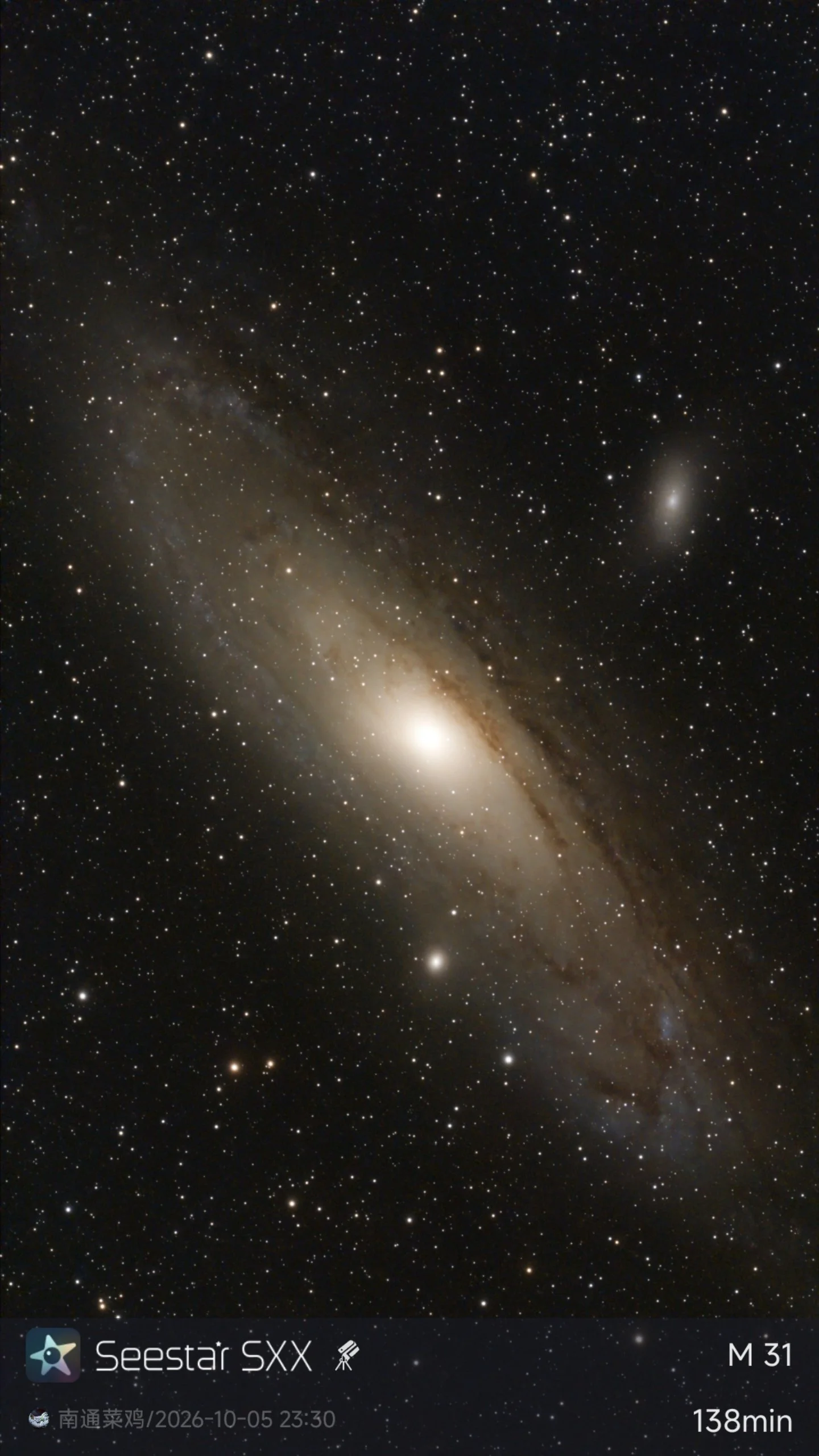
Andromeda Galaxy, 138 minutes of exposure time with the Seestar S30 Plus.
At $499, the S30 Plus might be trying to address some of the concerns raised around the price tag of their flagship S50 Pro telescope. Considering that the S30 Plus includes a telescope, camera, motorised tracking, filters, battery, storage and smartphone control, along with a compact tripod and magnetic solar filter, the $499 price tag is quite reasonable. That's before accounting for the considerable engineering and software development that have gone into bringing everything together in such a compact device. That is the case as long as ZWO’s competitors don’t offer a better alternative.
For someone who has never owned an astronomical telescope, that's a fairly compelling proposition. There is no need to research half a dozen compatible accessories or spend evenings working out which cable goes where. You can begin exploring the sky with little additional equipment.
Still, the price encourages comparison with the S30 Pro. Another $200 buys a noticeably more capable imaging system, and buyers who are already enthusiastic about photography may find that additional investment worthwhile.
Longevity is another consideration. Unlike a conventional telescope, a smart telescope relies on its integrated electronics, battery and continued software support. If one component becomes obsolete or fails, upgrading it independently may not be possible.
The S30 Plus offers convenience in exchange for that modularity. That's a perfectly reasonable compromise, provided buyers understand it from the outset. If you decide to take the dive and make this purchase directly from Seestar website, you can do so by visiting this link.
Final Thoughts: Has Seestar Found the Sweet Spot?
With the S30 Plus, ZWO appears to have found a rather appealing middle ground. It's not the most sophisticated telescope in the Seestar family, nor does it pretend to be. Instead, it brings together much of what makes smart telescopes enjoyable, at a price that won't frighten off someone who's only just discovered astrophotography.
Mosaic imaging and equatorial tracking also appear to work well, extending what this little telescope can achieve beyond its standard shooting modes. The latter requires additional mounting equipment, however, and the software isn't entirely free of occasional hiccups.
The dual-camera arrangement gives the S30 Plus a welcome degree of versatility, although the cropped wide-angle view and relatively modest 2K resolution leave room for improvement. There's little reason to expect miracles from its 30mm aperture either. Planetary photography remains limited, and those wanting to extract finer details from faint deep-sky objects will eventually find themselves wishing for something more capable. Plus, it comes with filters, dew heater and the ability to photograph the Sun. How good is that?
The S30 Plus is capable of live stacking, wide-field milky way photography, as well as wildlife photography.
Then there's the S30 Pro. For another $200 at regular US prices, it offers 4K imaging, a larger sensor, wider fields of view and additional imaging capabilities. That's money well spent for anyone already serious about astrophotography. But newcomers may find the S30 Plus perfectly adequate for exploring the night sky, experimenting with different techniques and discovering what interests them before committing to more expensive equipment.
Would we recommend upgrading from an existing Seestar? From the original S30, perhaps, particularly if wide-angle photography and improved resolution appeal to you. From an S50, S30 Pro or S50 Pro, probably not. There's little point in trading away useful capabilities simply to own the latest model.
What makes the S30 Plus a particularly exciting product is the prospect of enjoying astrophotography without having to become an expert in the equipment first. At $499, ZWO has put together a capable package that should appeal to beginners, travelling photographers and even experienced astrophotographers looking for a lightweight companion.
We'll reserve our final judgment on optical performance and tracking consistency until we've spent more time with our review unit under the stars. But the early impressions suggest that the S30 Plus could be one of the most sensible purchases in the Seestar range, especially for those who value the experience of photographing the night sky more than buying too much into the highest resolution. But if you can afford the Pro version, the upgrade to higher resolution, mosaic imaging and extra internal storage is worthwhile.
And frankly, if a telescope gets more people outside looking up, learning about the universe and coming home with photographs they're proud of, it's doing something right.
One piece of buying advice, regardless of your experience:
If you're planning longer deep-sky sessions, it's worth budgeting for Seestar TH10 Fluid Tripod Head (or 3rd party equivalent) and a stable tripod. EQ mode supports exposures of up to 60 seconds, provided the telescope is accurately polar-aligned and stable. The standard tabletop tripod isn't an adequate substitute for a properly mounted EQ setup.

Pricing and availability:
The Seestar S30 Plus is priced at US$499 / €499, with an introductory offer of US$474 / €474. You can purchase the telescope directly from ZWO here.
If you are in the UK, you can purchase the Seestar S30 Plus from our affiliate partner here.
Disclosure: ZWO provided Astromaniac Magazine with a Seestar S30 Plus review unit, free of charge. We maintain complete editorial independence, and ZWO has had no involvement, influence or approval over the writing or conclusions of this review.