Remote Telescope Hosting: Why Astrophotographers Are Moving to Darker Skies
PixelSkiesAstro Remote Hosting Facility, province of Granada, Spain
The world of astrophotography has changed enormously over the past decade. Cameras have become more sensitive, mounts more accurate and automation considerably easier. Smart telescopes have opened the hobby to people who might never have considered buying a traditional astrophotography setup, while the sheer amount of information available online means that learning the basics no longer has to involve years of trial and error.
There is, however, one problem that technology has not solved: the weather.
For many astrophotographers, particularly those of us living in the UK and other densely populated parts of Europe, the equipment is often ready long before the sky is. You can spend thousands of pounds putting together an expensive imaging rig and months (if not years) learning how to get the best from it, only to find that genuinely good imaging nights are frustratingly rare. Clear skies have to coincide with free time, favourable Moon phases and targets you actually want to photograph. Add light pollution into the equation and the opportunities become smaller still.
Travelling to darker skies is one solution, but regularly transporting mounts, telescopes, computers and cameras introduces another layer of cost and effort. The problem becomes more significant if you aim to do scientific research and sky surveys. It is one of the reasons an increasingly familiar idea has started to appeal to amateur astrophotographers and researchers: rather than taking the telescope to a dark site every time you want to use it, why not leave it there permanently? That, in essence, is what remote telescope hosting does.
From professional astronomy to the amateur world
Operating a telescope from somewhere else is hardly a new concept. Professional astronomers were experimenting seriously with remote observing decades before most homes had an internet connection. ESO, for example, began developing intercontinental remote observing in the early 1980s, allowing astronomers in Germany to operate telescopes at La Silla in Chile. By the late-1980s, remote observing was established enough for ESO astronomers to be writing about its practical advantages and limitations.
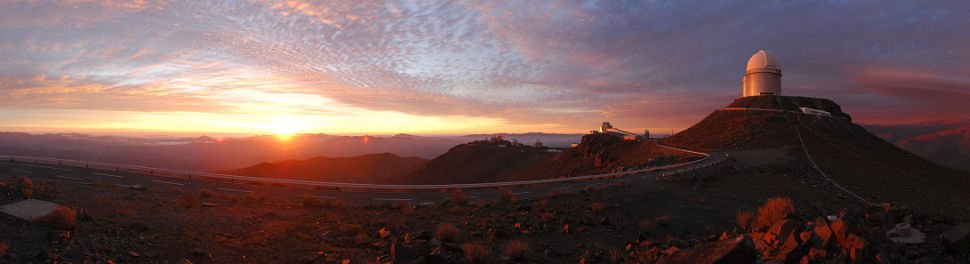
La Silla was ESO's first observatory.
What has changed more recently is the scale at which similar ideas have become available to amateurs. A remote hosting facility provides the things most of us cannot realistically build at home: a permanent pier beneath a dark sky, reliable power and internet, weather monitoring, automated roofs, security and, crucially, somebody nearby when physical intervention is required. The telescope, mount, camera and computer still belong to the astrophotographer. They simply live somewhere with better conditions.
Facilities now operate across Europe, the United States, Australia, Chile and elsewhere. One of the more recent examples is Starfront Observatories in Texas, USA, which says it now has more than 1,000 customer-owned telescopes operating across 18 observatory buildings. Hosting starts at $99 per month for its smallest tier, showing how far the idea has moved from the days when a permanently installed remote telescope was largely the preserve of institutions and particularly well-funded amateurs.
How remote hosting works
Check the fit
Measure the space needed for your telescope and mount.
Reserve a pier
A permanent position is reserved for your setup.
Send your equipment
Ship it to the site or deliver it in person.
Set it up
Installed, aligned, connected and tested on site.
Control it remotely
Operate your telescope from home over the internet.
A week at PixelSkiesAstro
In September 2026, I spent a week at PixelSkiesAstro, a remote telescope hosting facility near the Spanish village Castilléjar in the north of Granada province. I had taken my own equipment with me, partly to spend a week imaging under darker Spanish skies and partly because I wanted to understand how places like this actually work before writing about them.
PixelSkiesAstro sits around 850 metres above sea level, roughly five kilometres outside the village of Castilléjar. It is an unusual landscape, dry and open, with the mountains of northern Granada around it and very little artificial light nearby. The Milky Way is immediately visible on a clear moonless night. PixelSkiesAstro reports SQM readings reaching around 21.75 mag/arcsec², while its records show that the observatory roofs have opened on more than 220 nights in each of the past four published years.
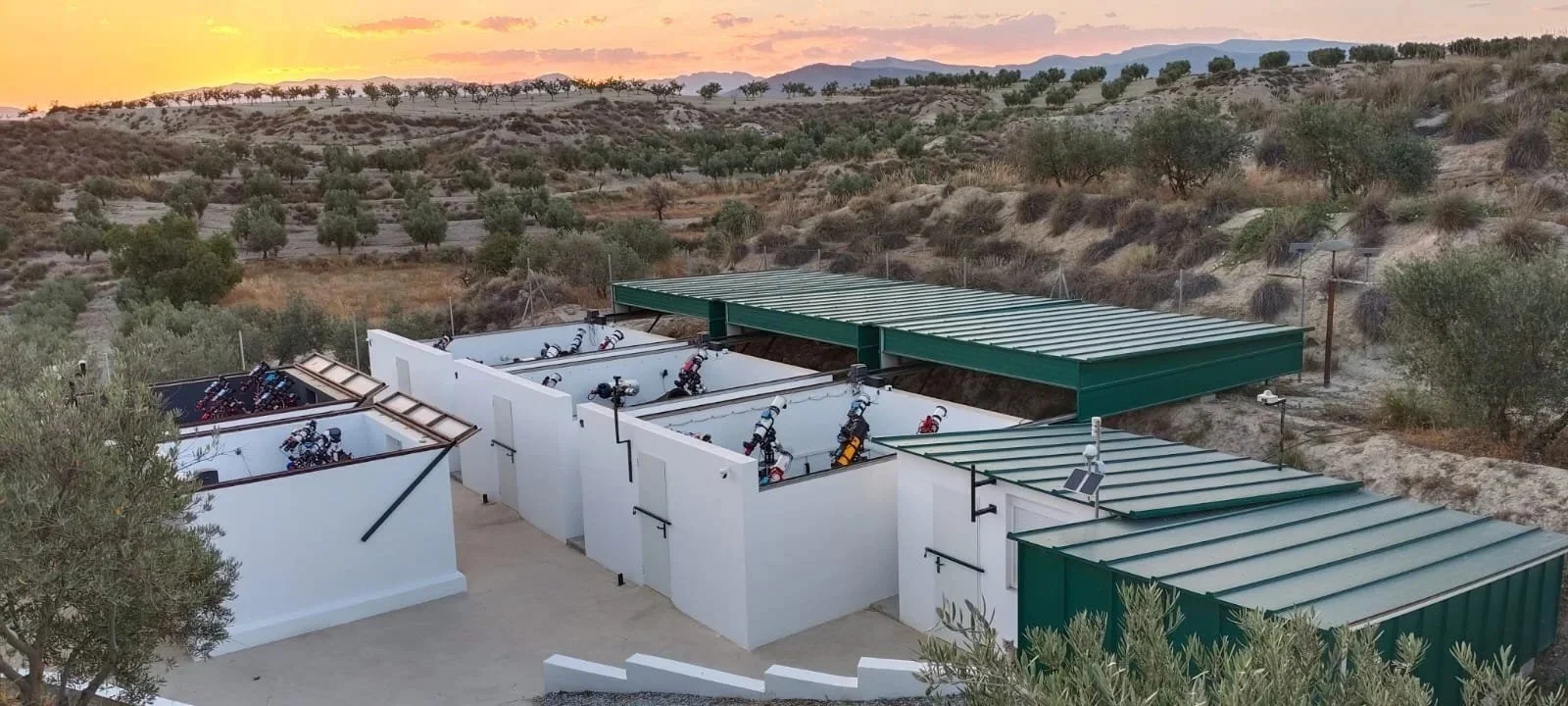
Set in Rural Andalucia, Spain, PixelSkiesAstro is located 850 metres above sea level.
Darkness was obviously one of the reasons I had travelled there, but after spending several days on the site, I found several more needs for a site like this.
PixelSkiesAstro is a family operation. David and Michelle Wills moved to Spain and started the planning and construction of their remote observatory hosting with the help of their sons Adam and James. The family lives alongside the observatories themselves. There are currently 11 automated observatory buildings hosting telescopes designed for more conventional astrophotography, as well as several science-based observations.
“This has always been a dream of mine,” David told me while showing me around the site.
Walking through the observatories with David and Adam gives you a very different impression from flicking through photographs of remote facilities online. The buildings are packed with equipment: small refractors alongside much larger optical systems, harmonic mounts next to 10Microns and other heavyweight setups, single Schmidt-Cassegrain telescopes and more complicated dual-rig setups. There are cables, motorised flat panels and fancy power controllers everywhere, rows of piers and computers quietly running beside equipment whose owners may be hundreds or thousands of miles away.
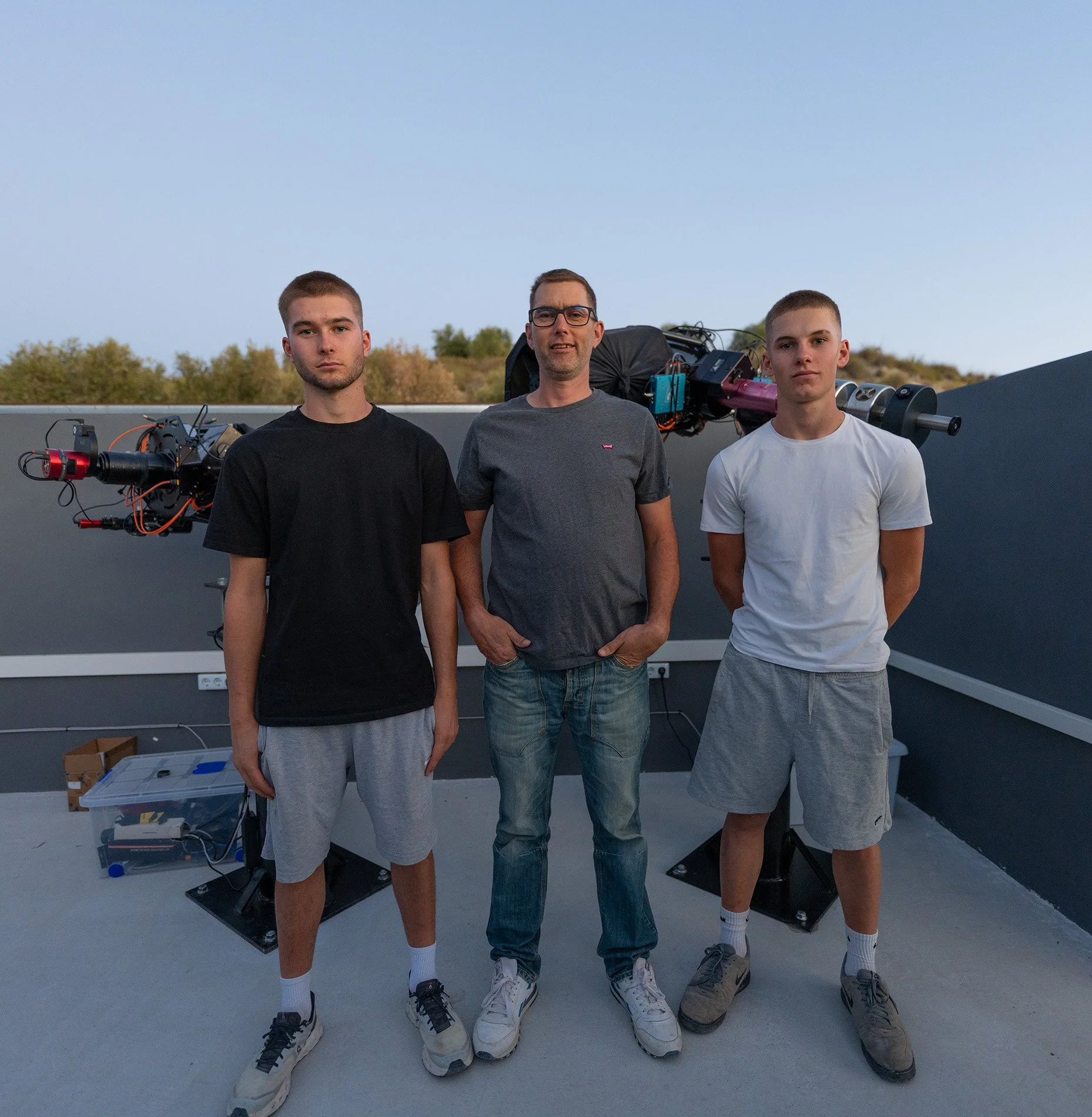
David (middle), Adam (left) and James (right) and Michelle (not in the photo) run the family-operated observatory.
What struck me was how familiar David and Adam were with the individual systems. They knew who owned them, where they had come from and, in many cases, the peculiarities of the equipment itself, “we treat every telescope as if it's our own” David proudly annouced.
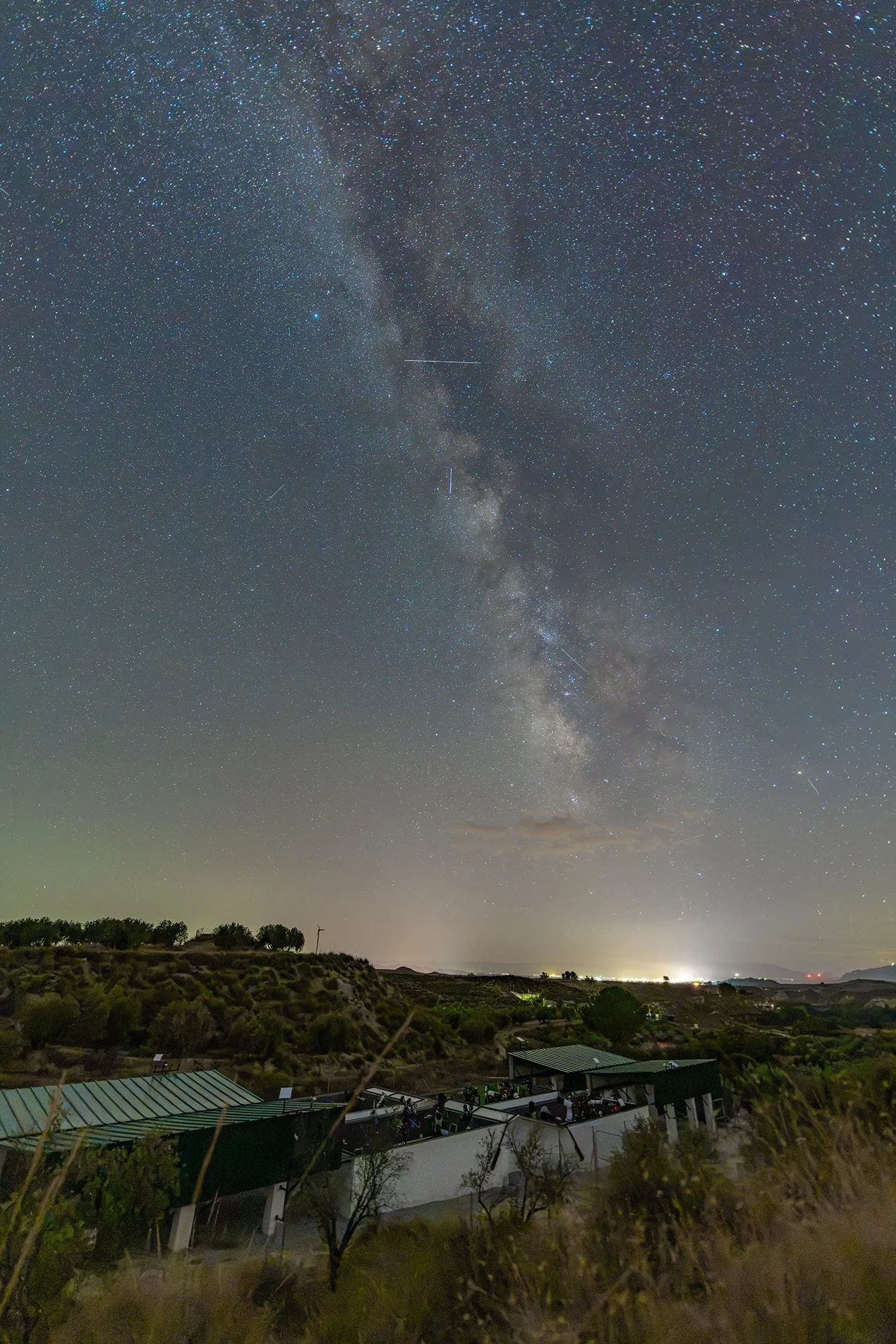
PixelSkiesAstro
That matters rather more here than it might sound.
At home, a failed USB connection is irritating. You walk outside, unplug it and try again. At a remote observatory in another country, the same problem can bring an imaging run to a halt until somebody physically reaches the telescope. Focusers lose their position, computers crash, cables fail and mounts occasionally do things they are not supposed to do. Remote astrophotography removes the need to be beside your telescope on a good night, but it makes the people who are beside it much more important.
PixelSkiesAstro provides wired internet and individual power provision at the piers, while the observatory roofs are automated using Dragonfly control systems and AAG CloudWatchers. Customers can connect remotely to their observatory computers and there is a ticketing system when hands-on assistance is required. The Wills family also monitor conditions themselves from the site, which is one of the benefits of the family actually living there rather than operating the observatories from elsewhere.
During my visit, the place was still growing. More planning permission for observatory construction was under way and David spoke openly about wanting to expand the number of telescopes they can accommodate. There is a practical reason for scaling up as well as an ambitious one: if more systems can be hosted efficiently, the economics of running the site improve and there is more scope to bring hosting costs down. Alongside the more conventional setups, David is planning to deploy more smart telescopes like the Seestar S50 Pro which would enable customers to hire and access them remotely. That will open up a whole new door to astronomy enthusiasts and has already started to set a milestone to make astronomy and astrophotography even more accessible and affordable.
For someone used to British weather, it is not difficult to understand the appeal. A telescope that may spend weeks waiting for a usable night at home can instead remain permanently installed, polar-aligned and ready to start collecting data when conditions allow. That can turn projects requiring 20, 30 or 50 hours of integration from exercises in patience into something far more achievable. They have gone the extra mile to allocate a dedicated accommodation for visitors who intend to delivery their equipment in person or simply check on their telescopes and tweak it.
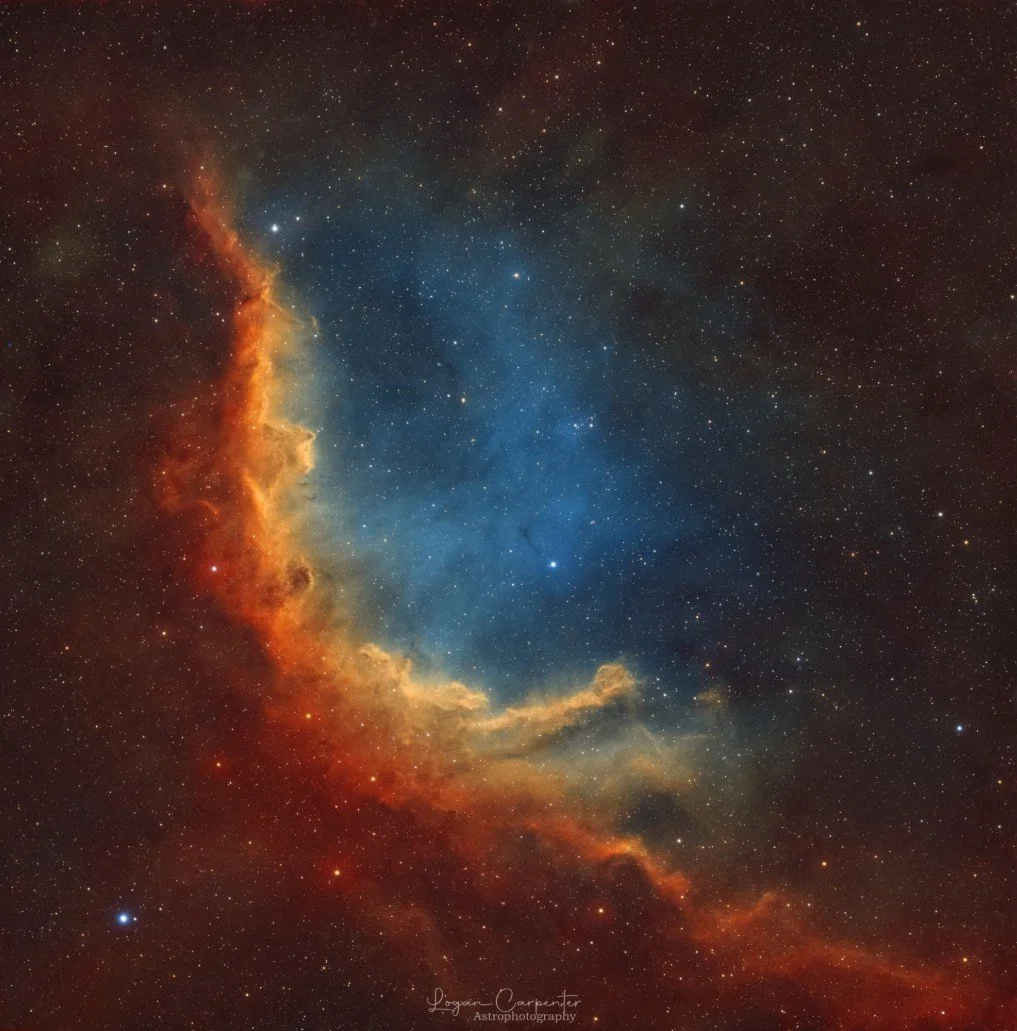
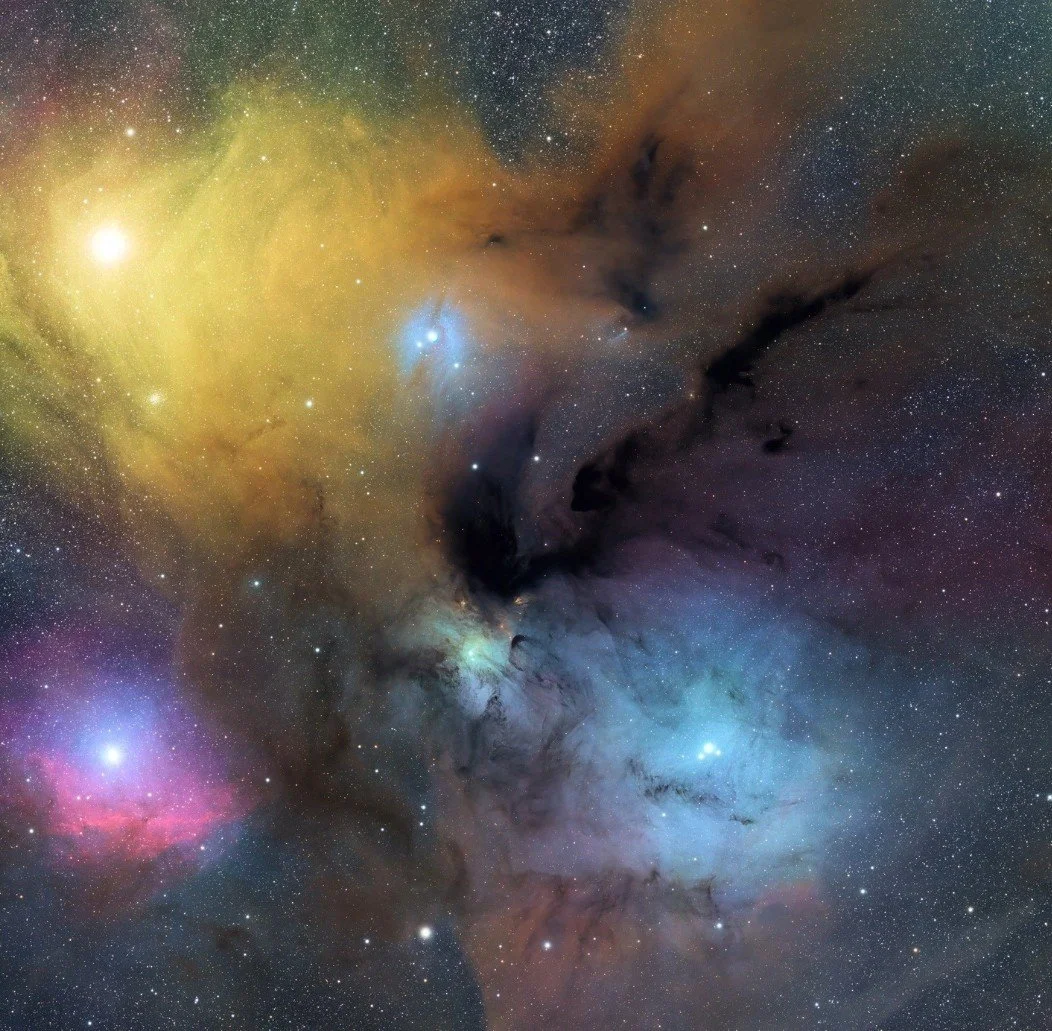
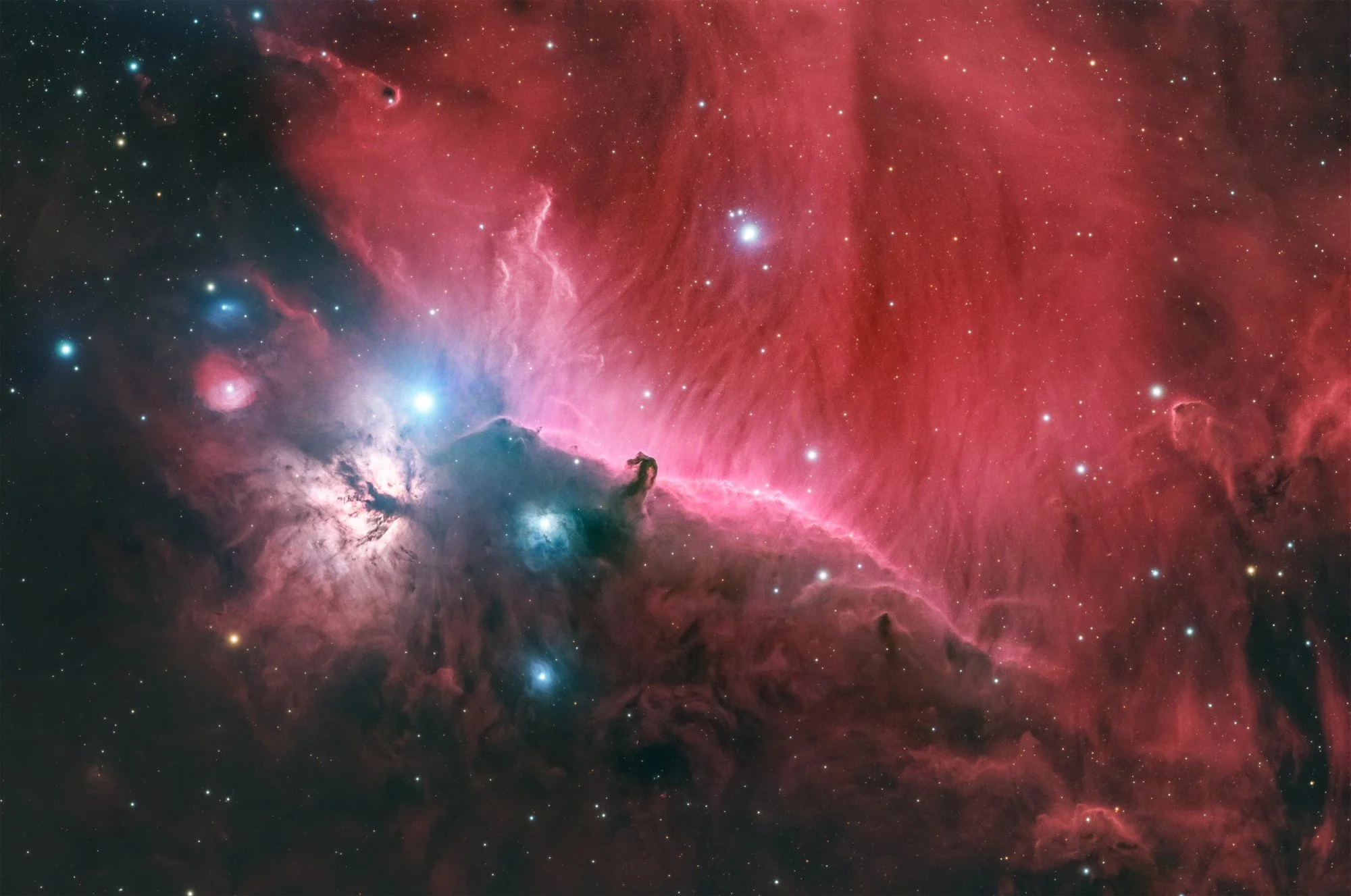
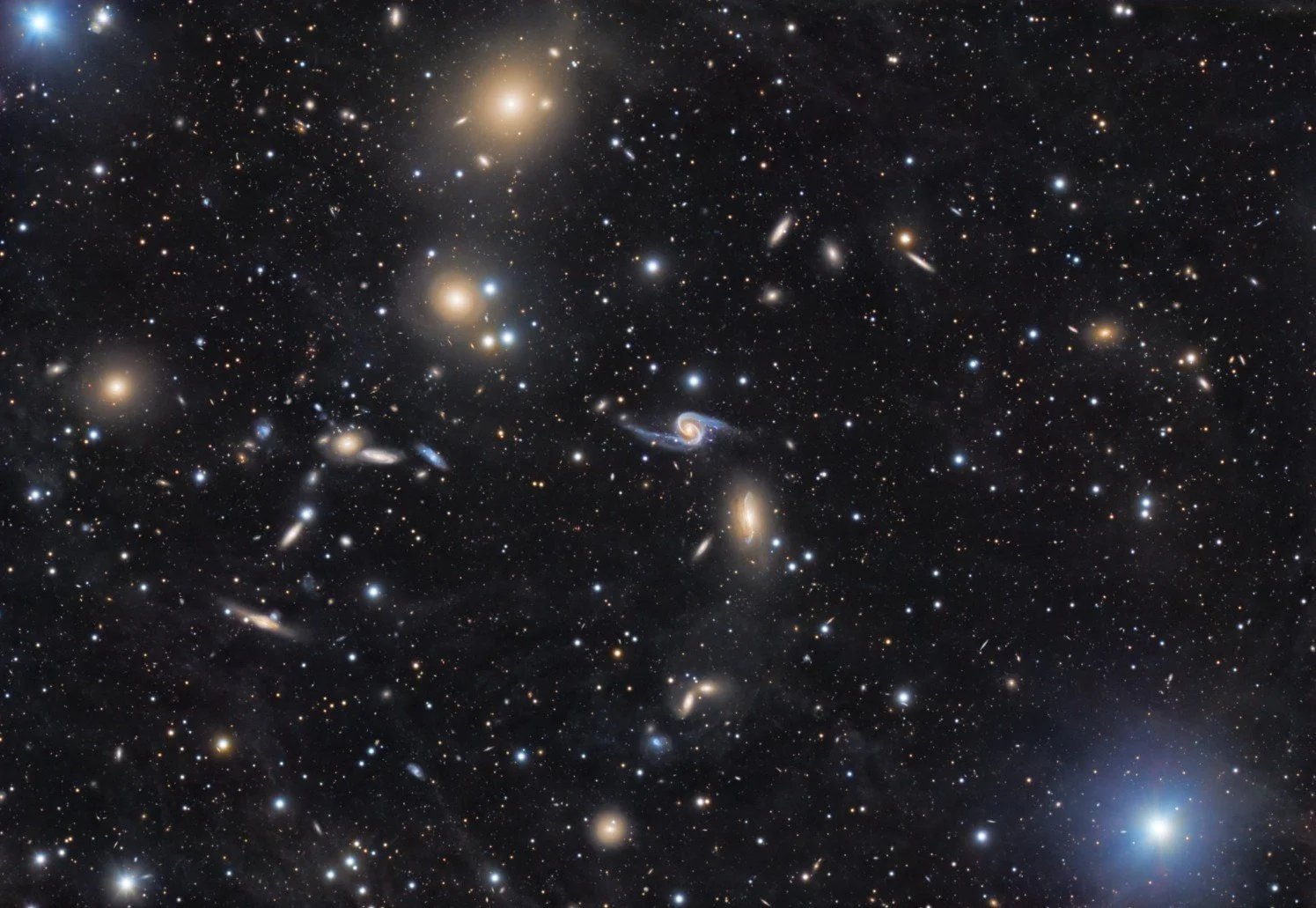
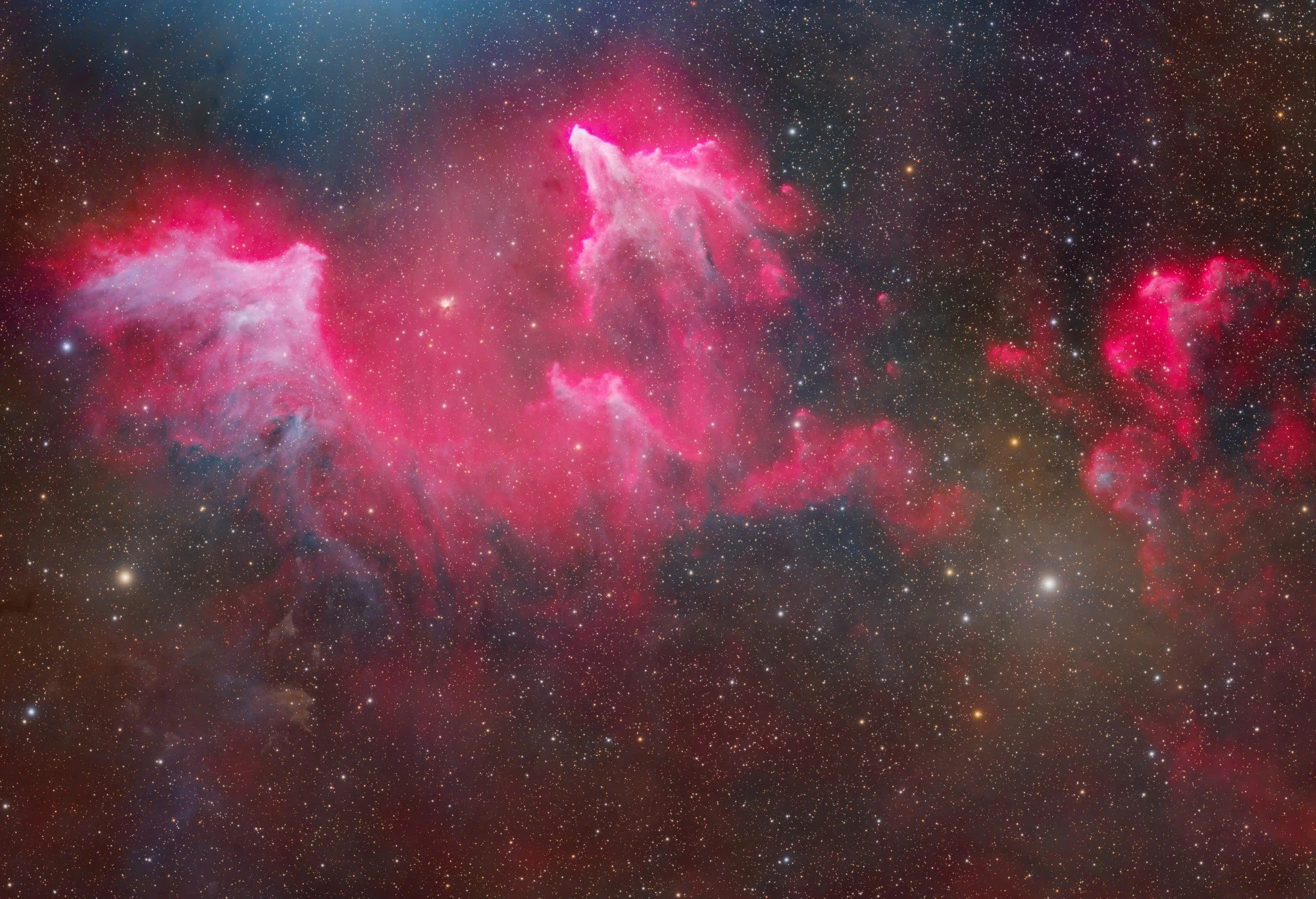
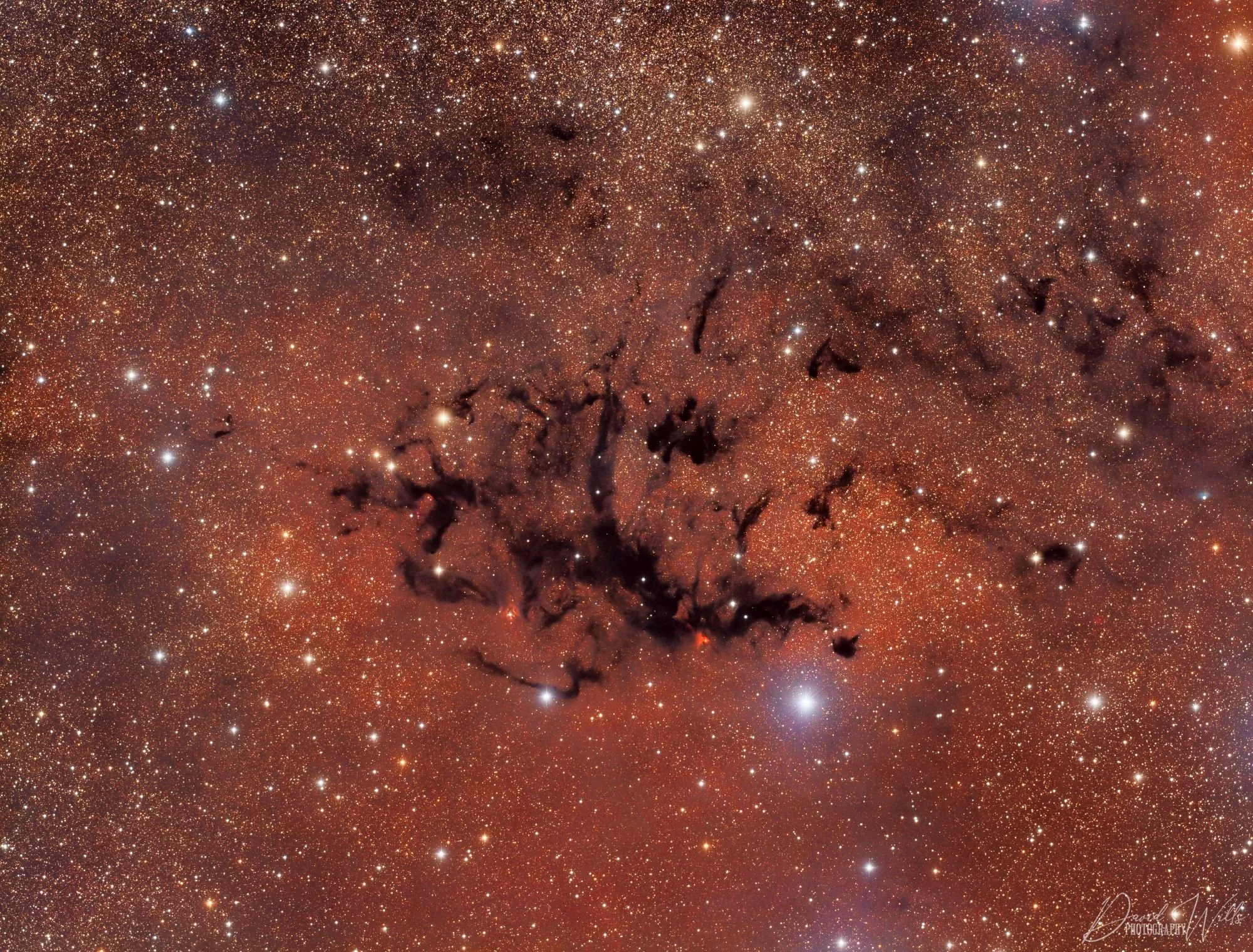
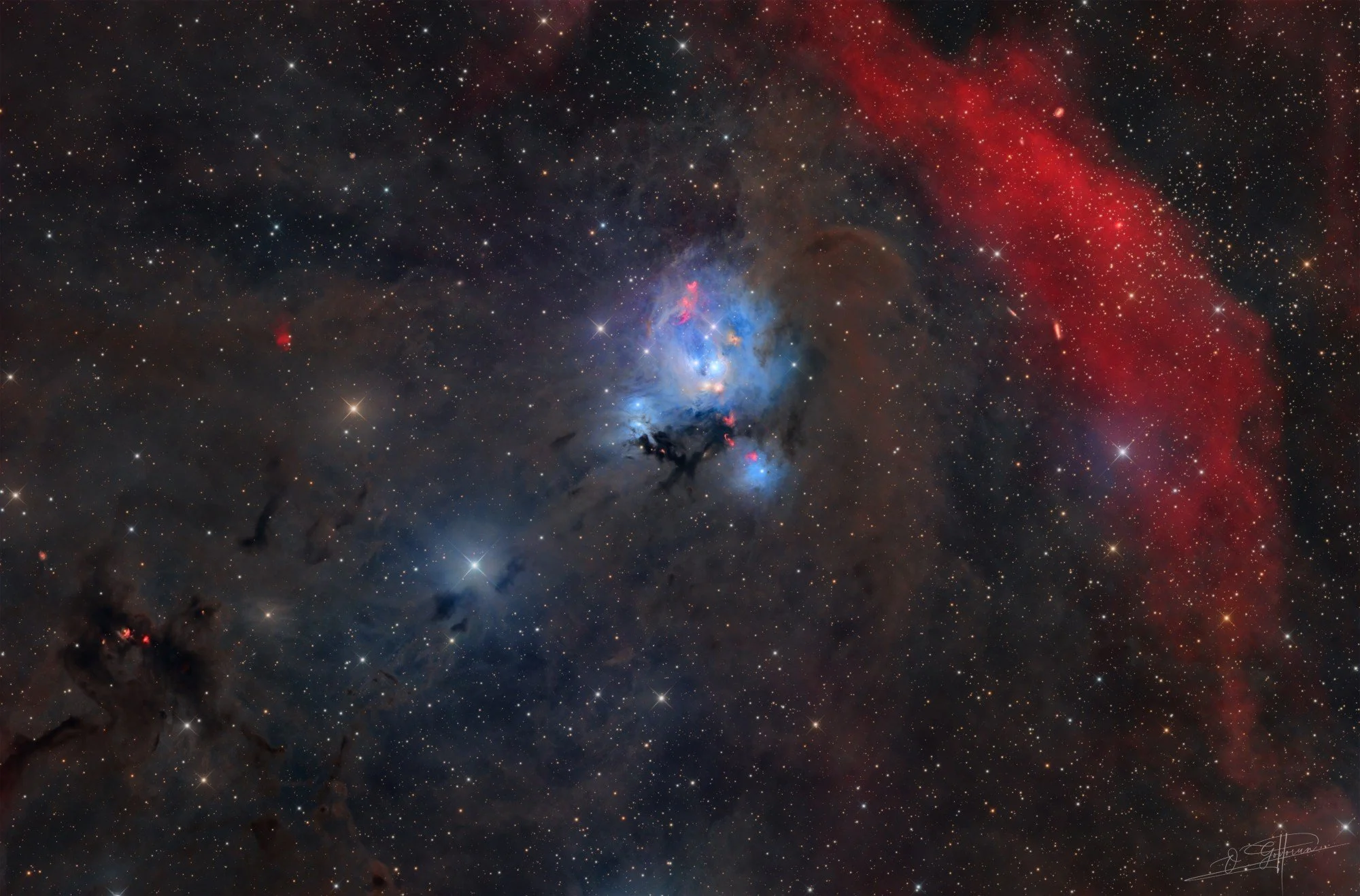
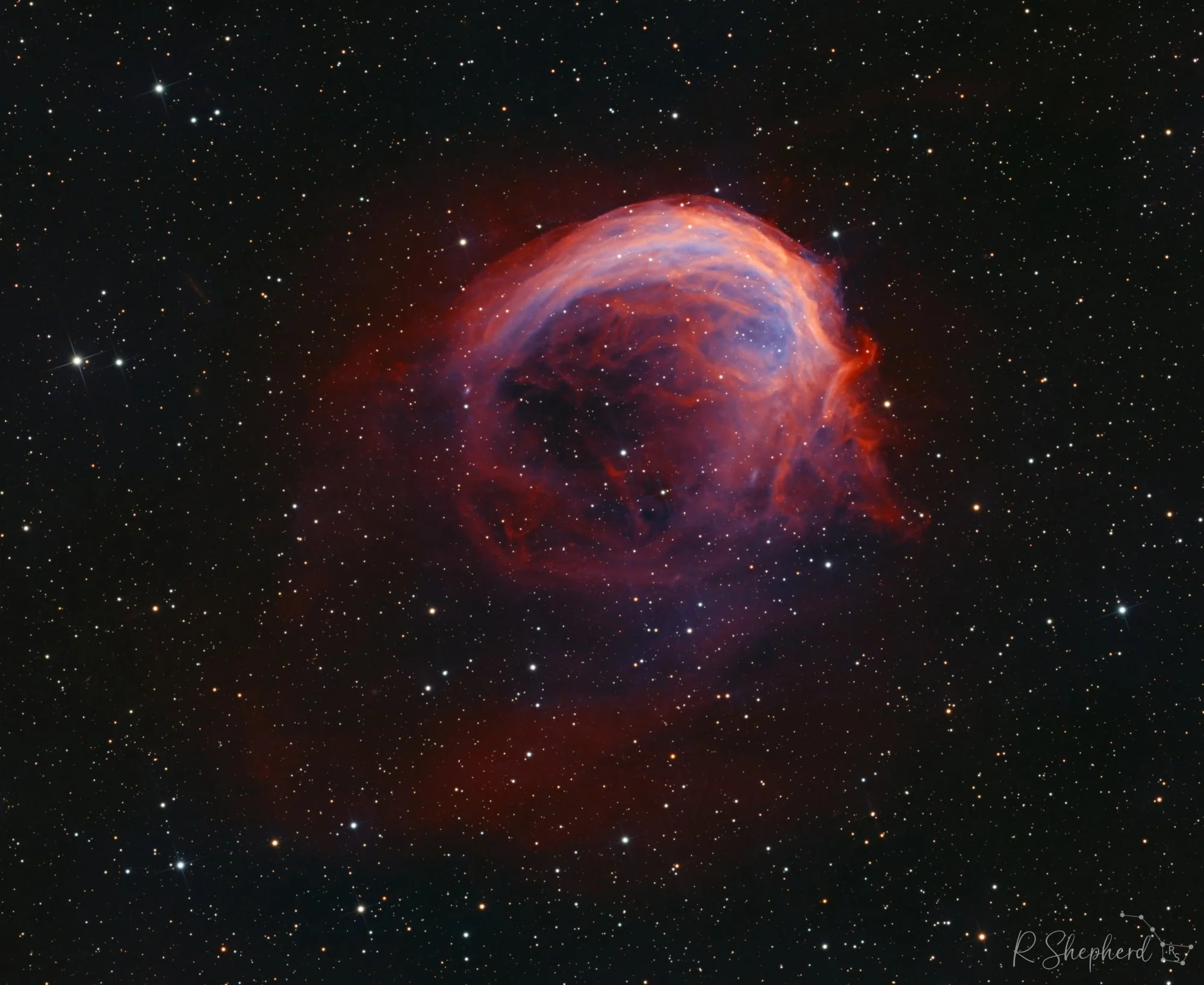
Below, you can see a select few astrophotography masterpieces captured from PixelSkiesAstro. You can see a lot more of their Astrobin.
Building software around the idea
David's interest in automation has also led to PSA Capture, an open source software he is developing as an alternative to astrophotography acquisition and control. I was able to see it during my stay, and while it is still very much a developing platform, there are some genuinely interesting ideas behind it.
Alongside the expected planning, sequencing and equipment-control functions are modes intended for Dual and Remote setups. The part that caught my attention most was the Science tab, where observing can be organised around objects and events such as comets, supernovae, minor planets and occultations rather than simply choosing a deep-sky target for an image.
At the heart of PSA Capture sit Cockpit, a control room where you can control all your gear at a click of a mouse without having to jump from one tab to another, giving the full picture at a glance.
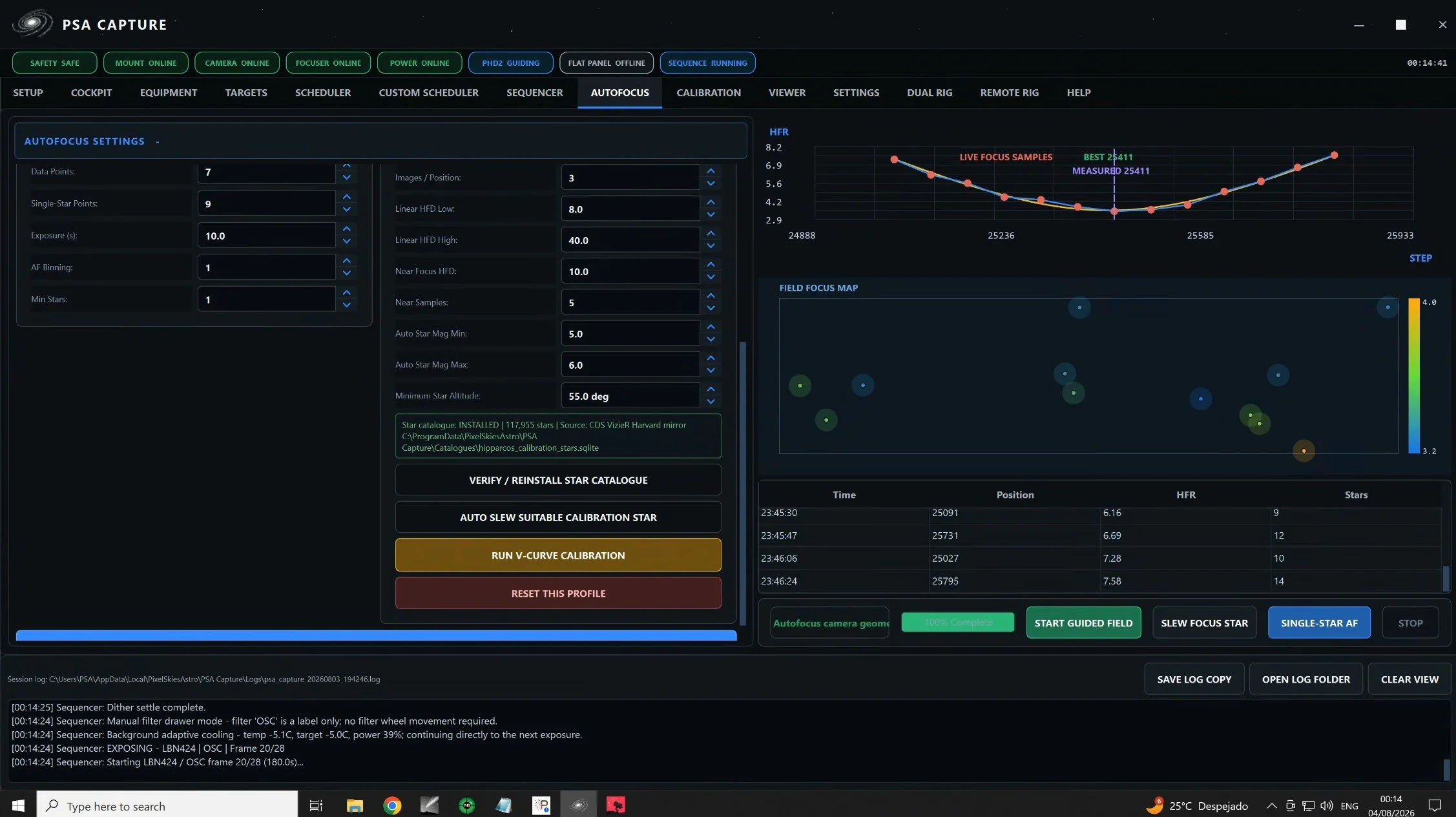
Celestron 8" Edge HD telescope in action, controlled by PSA Capture
PSA Capture sets out to be more than a night sky imaging software, but a comprehensive all-in-one platform for astronomers, photographers, researchers and hobbyists, a potential alternative to more mature platforms such as NINA or Sequence Generator Pro. David is developing it while surrounded by remotely operated systems, where unattended reliability and automation are everyday problems. So PSA Capture is set put to solve an important problem. It is still a developing platform, and it will need time and wider use before those ideas can be properly judged.
You can find out more about PSA Capture here.
When remote really means remote
Spain is an obvious destination for many European astrophotographers. It offers significantly better weather and darker skies without placing the telescope on the other side of the planet. But once you accept that you do not need to be physically close to your equipment, much more distant locations begin to make sense.
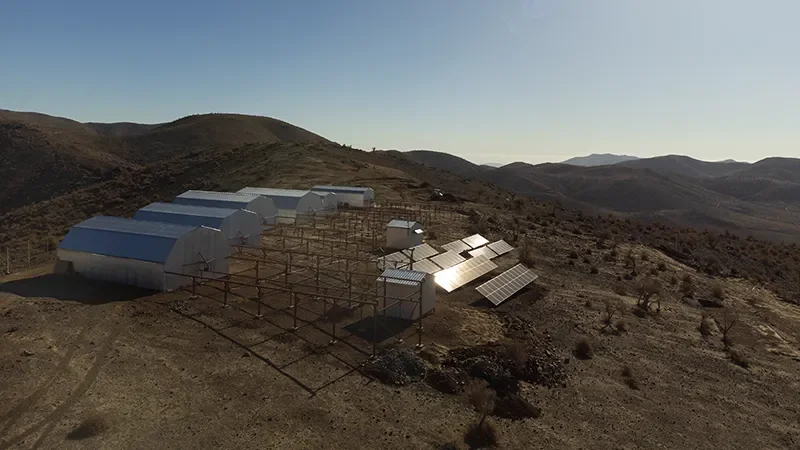
Deep Sky Chile selected a 3-hectare flat summit at 1700 m above sea level to host remote telescopes.
Deep Sky Chile, in the Río Hurtado Valley in Chile's Coquimbo region, is a good example. They report that their site occupies a roughly three-hectare plateau at around 1,700 metres and the company reports more than 320 clear nights a year, with average seeing around one arcsecond. The facility combines automated observatories with weather monitoring, cameras, dedicated internet connections and a 40kW solar installation backed up by UPS systems and a generator. Under the Southern Sky The company's current website publishes the same headline figures for altitude, average seeing and annual clear nights.
For an amateur astrophotographer based in the Northern Hemisphere, Chile offers something Spain or Greece cannot: access to a substantially different sky. The Magellanic Clouds, Carina Nebula, Centaurus A and the rich southern Milky Way can become long-term imaging projects rather than targets saved for an occasional trip abroad. Deep Sky Chile offers both shared and private observatory arrangements, and equipment can be sent to the facility for installation rather than requiring its owner to travel with it. Under the Southern Sky
A remote telescope can be highly automated, but it remains a collection of mechanical parts, electronics, software and cables. The farther away the owner is, the more valuable dependable local technical support becomes. Deep Sky Chile keeps technical staff on or close to the site for maintenance and troubleshooting, an arrangement that becomes particularly important when the owner may be an ocean away. Under the Southern Sky
Is remote astrophotography for everyone?
There are obvious advantages. A permanent installation means no repeated setup and polar alignment. Better weather can dramatically increase the amount of usable imaging time, and very long integrations become much easier to contemplate. Light pollution at home becomes largely irrelevant to acquisition, while researchers and amateur scientists can carry out repeated observations without travelling to the instrument.
There are equally real compromises. Hosting is another monthly expense in a hobby that is already expensive. Shipping a complete setup can cost a considerable amount, import duties and customs is yet another added cost when you ship thousands of pounds worth of equipment acorss borders, and technical work beyond basic support may carry additional charges. A rig also needs to be genuinely dependable. Equipment that regularly needs a hand placed on it at home is unlikely to become less troublesome after moving 1,500 kilometres away.
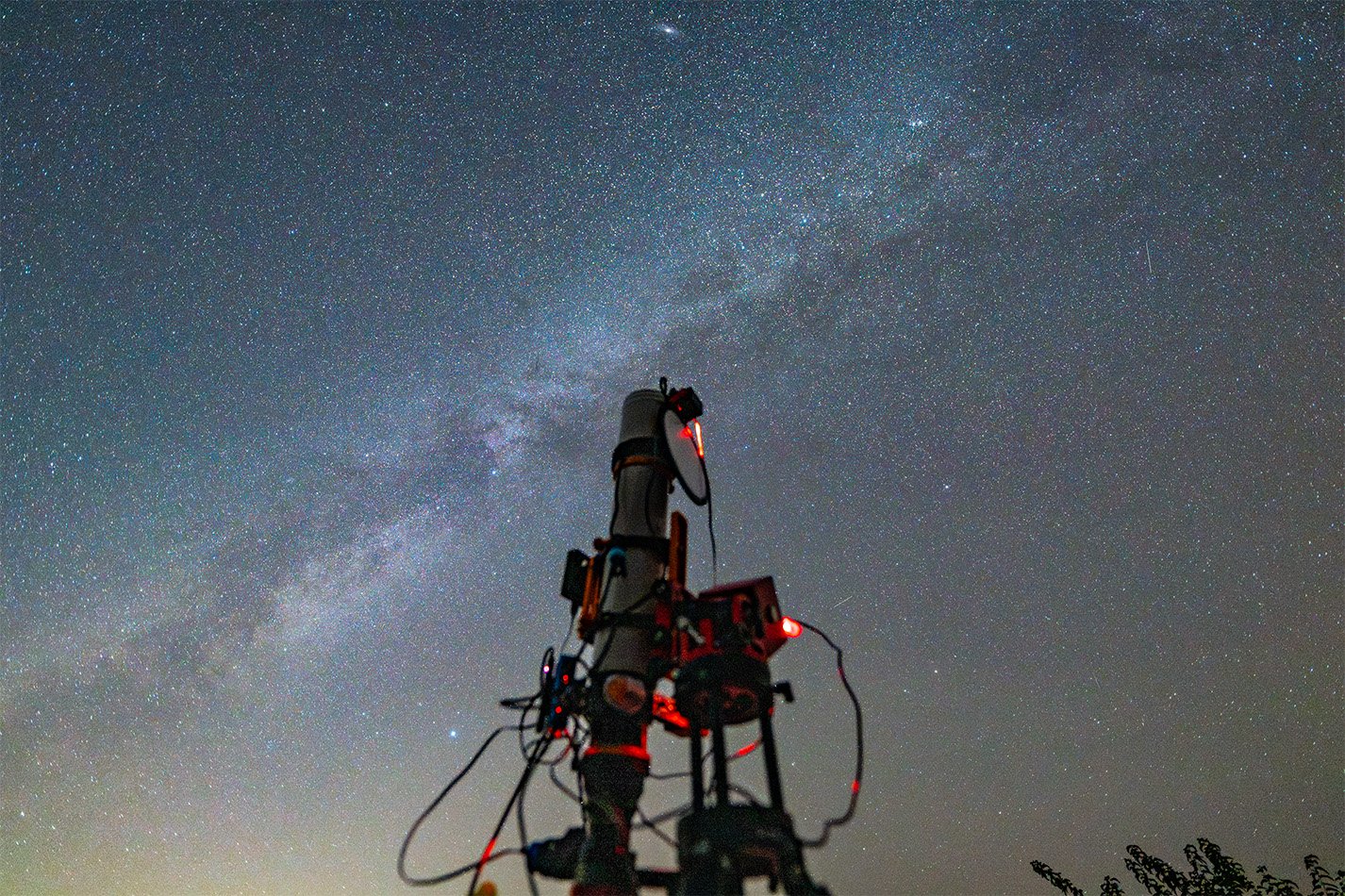
An Askar 103APO telescope at PixelSkiesAstro.
And there is something less tangible that gets lost. Part of my enjoyment of astronomy has always been physically being outside with the equipment. Remote imaging separates the astrophotographer from the landscape and the night sky that started the interest in the first place. Sitting at a computer in London while a telescope works beneath a clear Spanish sky is remarkably convenient, but it is obviously not the same experience as standing beside it, under the stars.
That distinction probably matters differently to everyone. For some, the point of astronomy is being outside under the stars and remote operation will never replace that. For somebody with an expensive imaging system sitting idle through weeks of cloud and light pollution, the calculation can look very different.
Before you send your telescope away
Dark skies, higher altitude and more reliable weather are the obvious attractions of remote hosting, along with the convenience of leaving your equipment permanently installed and ready to go. But there are practical compromises too, and it is worth thinking them through before committing.
Costs: Remote hosting is usually a medium- to long-term commitment, often with a minimum contract period. Some don’t require a minimum commitment. Even at lower-cost hosting facilities, monthly fees are only part of the overall cost. Installation, shipping, import duties, insurance and any specialist repairs can add up quickly, so it is worth budgeting beyond the headline monthly price.
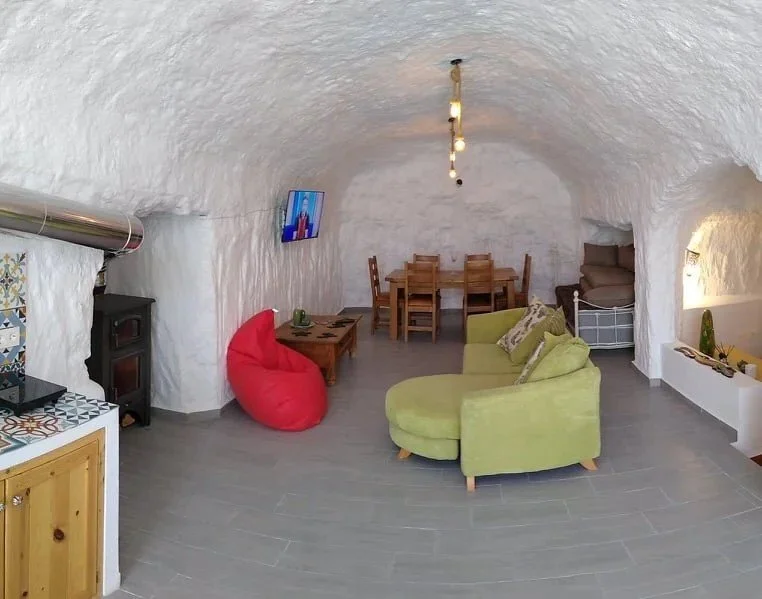
Cave living anyone? On-site accommodation at PixelSkiesAstro for customers
Shipping: Getting the equipment to the observatory can be one of the biggest practical hurdles. You can either deliver it yourself or have it shipped, but sending several heavy and delicate pieces of optical equipment internationally could become expensive, particularly once customs and import charges are involved. shipping, customs paperwork and any applicable taxes or import charges can add significantly to the cost.
Some facilities, including PixelSkiesAstro, offer on-site accommodation for visiting astrophotographers, allowing you to deliver the equipment yourself and stay while the system is installed and tested.
One cost and time saving measure is to purchase the equipment from the country where your preferred remote facility is.
Timing: Do not assume the telescope will be operational immediately after signing a contract. Shipping, customs clearance, installation, polar alignment, cabling and testing can easily take several weeks, particularly when equipment is crossing international borders.
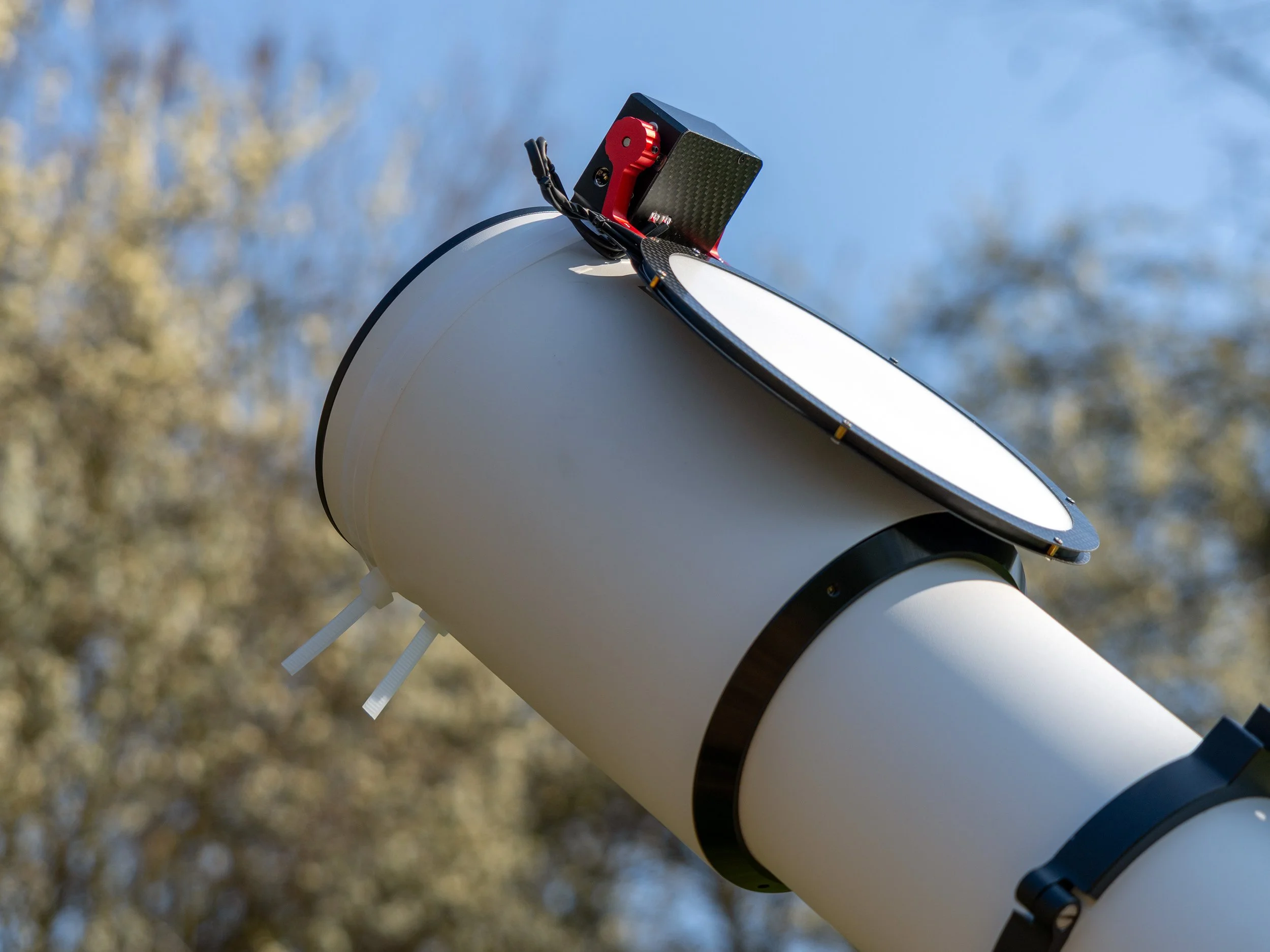
WandererCover V4-EC Motorised Flat Panel
Sending the right gear: No single astrophotography setup is ideal for every target. A telescope, camera or filter combination that works beautifully for one part of the sky may be far less suitable for another, so it is worth thinking carefully about what you send.
Include spare cables, label everything clearly and prioritise equipment you already know to be reliable. Remote power control and a UPS are particularly useful, while accessories such as a motorised flat panel or camera rotator can reduce the need for physical intervention once the telescope is hundreds or thousands of miles away.
Is remote hosting right for you? It is not the only answer to poor weather or light pollution. There are plenty of ways to adapt your equipment and target selection to the conditions you already have. Our guide, Astrophotography Anywhere, looks at how to make the most of both light-polluted and dark-sky locations.
For some astrophotographers the next big upgrade may not be another piece of equipment. It may simply be finding their telescope a better sky.
A changing way of doing astrophotography
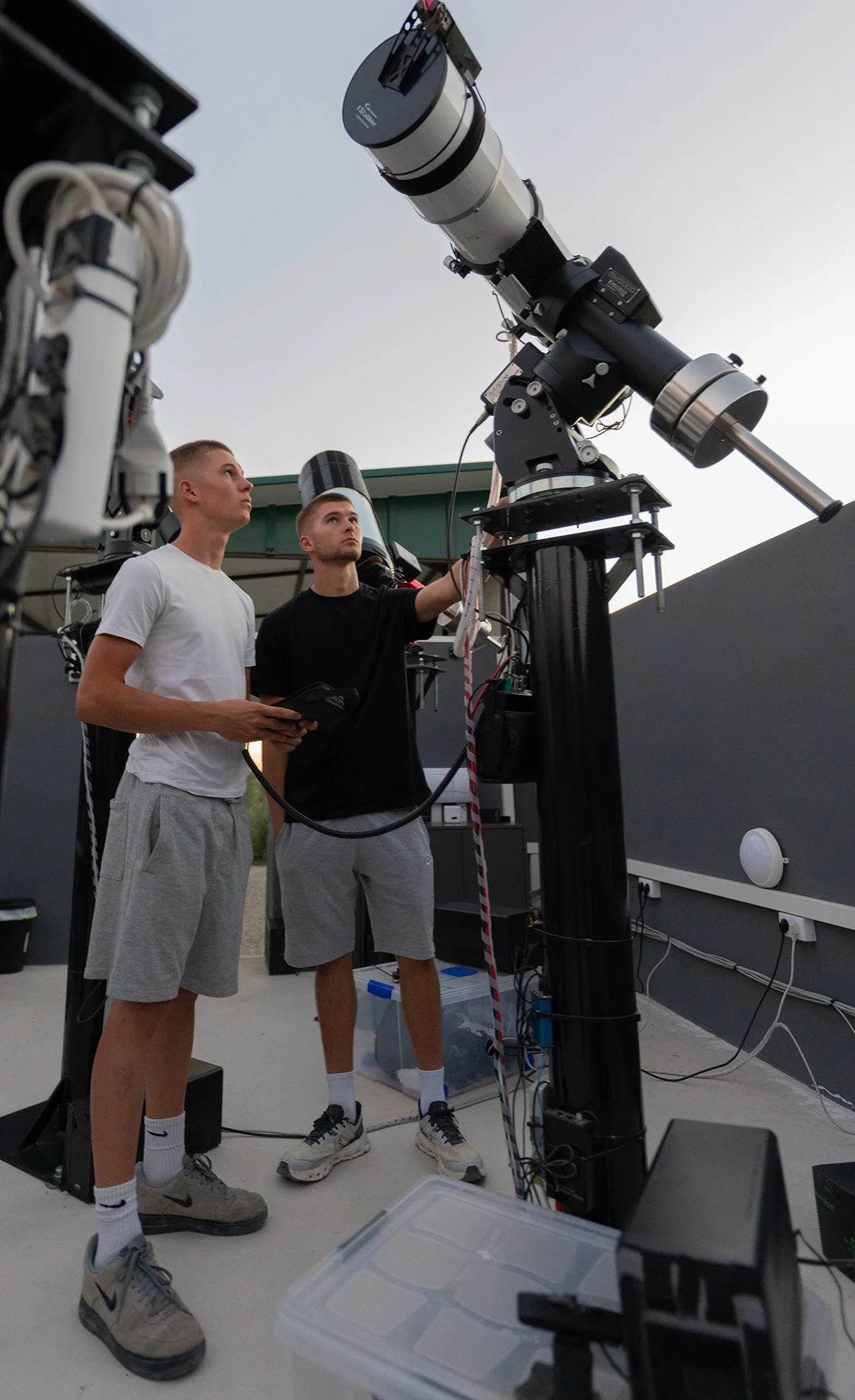
Adam and James Wills, PixelSkiesAstro
I arrived at PixelSkiesAstro wondering whether sending an expensive telescope to another country could really make sense. After a week there, my conclution felt rather different. If the equipment is no longer the thing holding you back, and the real limitation is the sky above it, moving the telescope may sometimes make more sense than holding on to it and store it in your shed.
It is not really about operating a telescope over the internet. That part is no longer particularly remarkable. What makes a remote observatory useful is everything around the telescope: a site with better skies, a roof that reacts properly to changing weather, reliable power and networking, and people you trust enough to look after the equipment when you cannot.
Remote hosting is unlikely to replace astrophotography from the backyard, or trips to dark-sky sites, and nor would I want it to. But it is no longer an obscure corner of amateur astronomy either. The growing number of facilities in Spain, the United States, Australia, Chile, Namibia and elsewhere suggests that more astrophotographers are starting to see permanent remote installations as a realistic option rather than an extravagance reserved for professional observatories.
After all the advances in cameras, mounts and software, perhaps the next major upgrade for some astrophotographers will not be another piece of equipment at all. It may simply be finding their telescope a better sky.
Editorial note: Astromaniac Magazine has not been paid to endorse any company, product or service featured in this article and retains full editorial independence. All views, conclusions and editorial decisions are entirely our own.